
Bothrotes
Casey, 1907
Species Guides
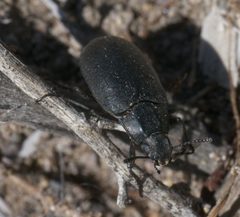
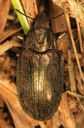
2Bothrotes is a of darkling beetles ( Tenebrionidae) established by Casey in 1907. The genus contains at least two described : Bothrotes canaliculatus and Bothrotes plumbeus. Members of this genus occur in North America, with observations documented from grassland and woodland in the southwestern United States and Great Plains region.
Pronunciation
How to pronounce Bothrotes: //boʊˈθroʊtiːz//
These audio files are automatically generated. While they are not always 100% accurate, they are a good starting point.
Images
Habitat
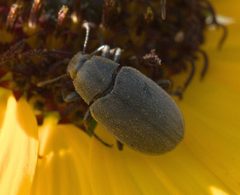
Based on collection records, Bothrotes have been found in grassland and woodland edge . Bothrotes canaliculatus has been collected from flowers of Gutierrezia sarothrae (broom snakeweed) in juniper-pine-oak woodland at the edge of the Great Plains, suggesting association with semi-arid environments and flowering vegetation.
Distribution
Nearctic region. Documented from the southwestern United States (Oklahoma, New Mexico) and potentially broader Great Plains and Rocky Mountain foothill areas. GBIF records indicate distribution in the Nearctic and Neotropic realms, though specific country-level records require verification.
Seasonality
activity has been observed in mid-September in northeastern New Mexico, suggesting late-season or activity. This timing corresponds with flowering of Gutierrezia sarothrae, on which adults have been collected.
Host Associations
- Gutierrezia sarothrae - feedingBothrotes canaliculatus collected from flowers
Similar Taxa
- EleodesBoth are darkling beetles (Tenebrionidae) with elongate bodies and similar overall form; Eleodes is a much larger with more diverse preferences and often more pronounced defensive posture with elevated
- CoelocnemisAnother tenebrionid found on tree trunks in similar southwestern ; Coelocnemis are typically associated with coniferous trees rather than flowering vegetation
More Details
Taxonomic note
The was established by Thomas L. Casey in 1907. The two described , B. canaliculatus and B. plumbeus, are relatively poorly studied compared to more conspicuous tenebrionid genera such as Eleodes.
Collection method
Available records suggest are and associated with flowering plants, making them accessible to hand-collection or netting methods rather than requiring specialized trapping techniques.