
Ditylus gracilis
LeConte, 1854
false blister beetle
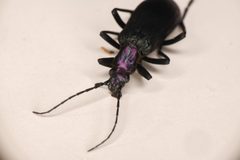
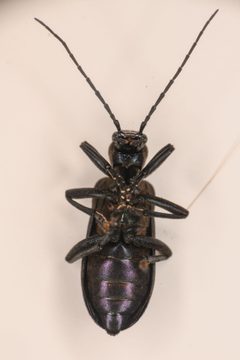
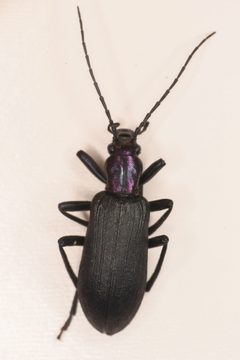
Ditylus gracilis is a of false in the Oedemeridae. It occurs in North America with confirmed records from British Columbia, Canada, and Alaska, United States. The species was described by LeConte in 1854. As a member of Oedemeridae, it belongs to a family commonly known as false blister beetles or false oil beetles, though specific ecological details for this species remain poorly documented in available sources.
Pronunciation
How to pronounce Ditylus gracilis: //ˈdɪtɪləs ˈɡræsɪlɪs//
These audio files are automatically generated. While they are not always 100% accurate, they are a good starting point.
Images
Distribution
North America. Confirmed records from British Columbia, Canada, and Alaska, United States. GBIF indicates presence in North America generally.
More Details
Taxonomic Authority
Described by John Lawrence LeConte in 1854, a prominent American entomologist who described numerous North American .
Family Characteristics
Oedemeridae (false blister beetles) are characterized by soft, elongated bodies and are sometimes called 'false oil beetles' due to superficial resemblance to Meloidae. However, specific traits of D. gracilis within this are not documented in available sources.