Ischnomera puncticollis
Spot-necked Oedemerid
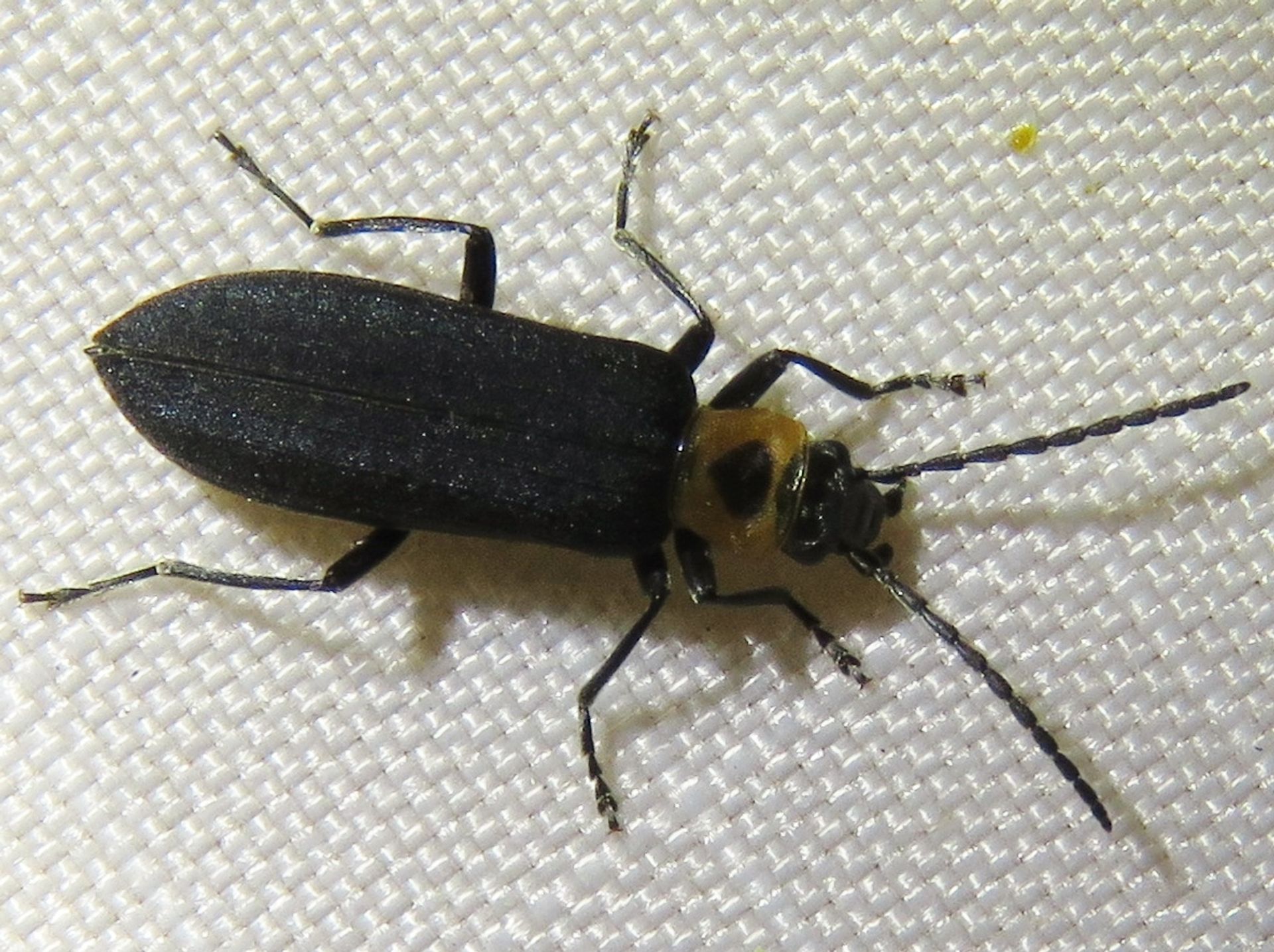
Ischnomera puncticollis is a of false blister beetle in the Oedemeridae, commonly known as the spot-necked oedemerid. The species is distinguished from by punctation patterns on the pronotum. are frequently observed on flowers, where they feed on pollen and nectar. The Ischnomera contains multiple North American species that are similar in general appearance, requiring careful examination for accurate identification.
Pronunciation
How to pronounce Ischnomera puncticollis: /ˌɪsknəˈmɪərə ˌpʌŋktɨˈkɒlɪs/
These audio files are automatically generated. While they are not always 100% accurate, they are a good starting point.
Identification
Distinguished from Ischnomera ruficollis and other by the presence of distinct punctation on the pronotum, referenced in the specific epithet 'puncticollis' (spotted neck). Examination of the pronotal surface texture and punctation is necessary for separation from similar Ischnomera . The related I. ruficollis has a reddish pronotum with different punctation characteristics.
Images
Habitat
Deciduous woodlands and forest edges. Associated with flowering trees and shrubs in early spring.
Distribution
Eastern North America. Documented in Missouri and surrounding regions based on field observations.
Seasonality
active in early spring, with observations in April. Activity coincides with flowering of woody plants such as Prunus mexicana (Mexican plum) and Amelanchier arborea (downy serviceberry).
Diet
feed on pollen and nectar of flowers.
Host Associations
- Prunus mexicana - flower visitorMexican plum
- Amelanchier arborea - flower visitordowny serviceberry
Behavior
are and frequently found in mating pairs on flowers. Often observed alongside other flower-visiting beetles including Orsodacne atra.
Ecological Role
Pollen feeder and likely incidental of early spring flowering woody plants.
Similar Taxa
- Ischnomera ruficollisRednecked false blister beetle; similar size and preference but distinguished by reddish pronotal coloration and different punctation pattern
- Orsodacne atraCo-occurs on same flowers; leaf beetle with different body form and antennal structure
More Details
Field observations
In Missouri field studies, have been observed in abundance on Prunus mexicana flowers in early April, often in mating pairs. The is part of a guild of early spring flower-visiting beetles that includes Orsodacne atra and various bees.