Ischnomera ruficollis
Red-necked False Blister Beetle
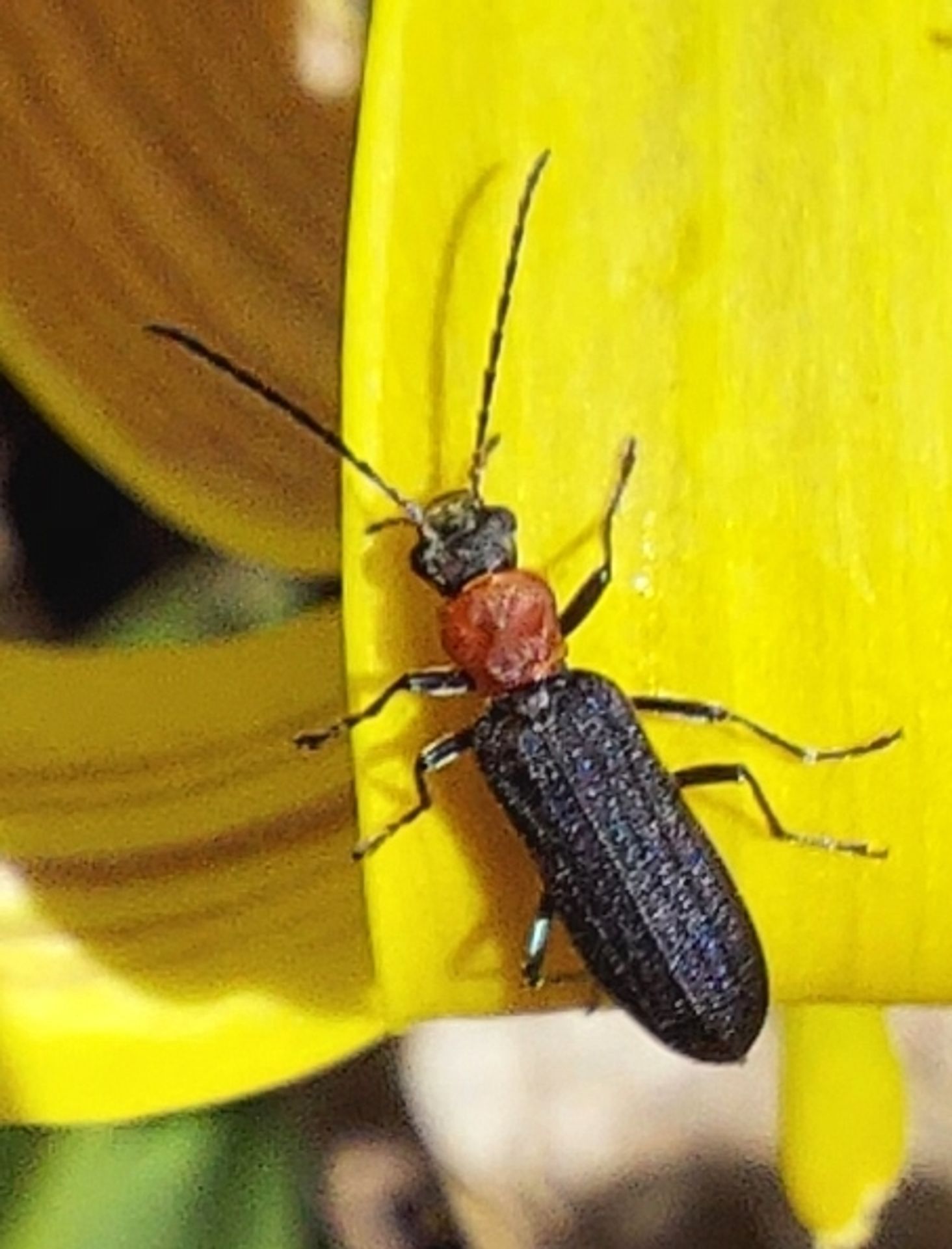
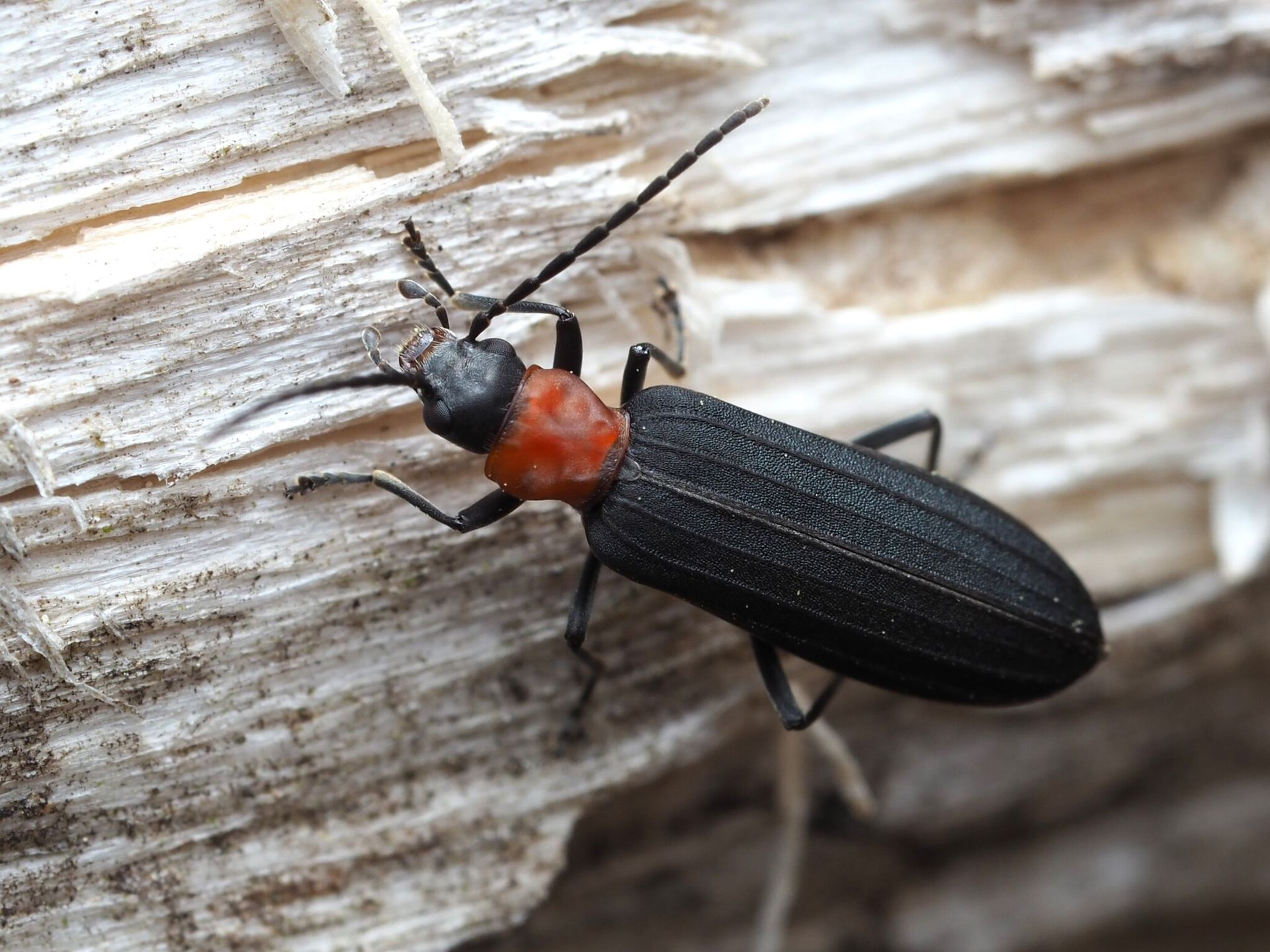
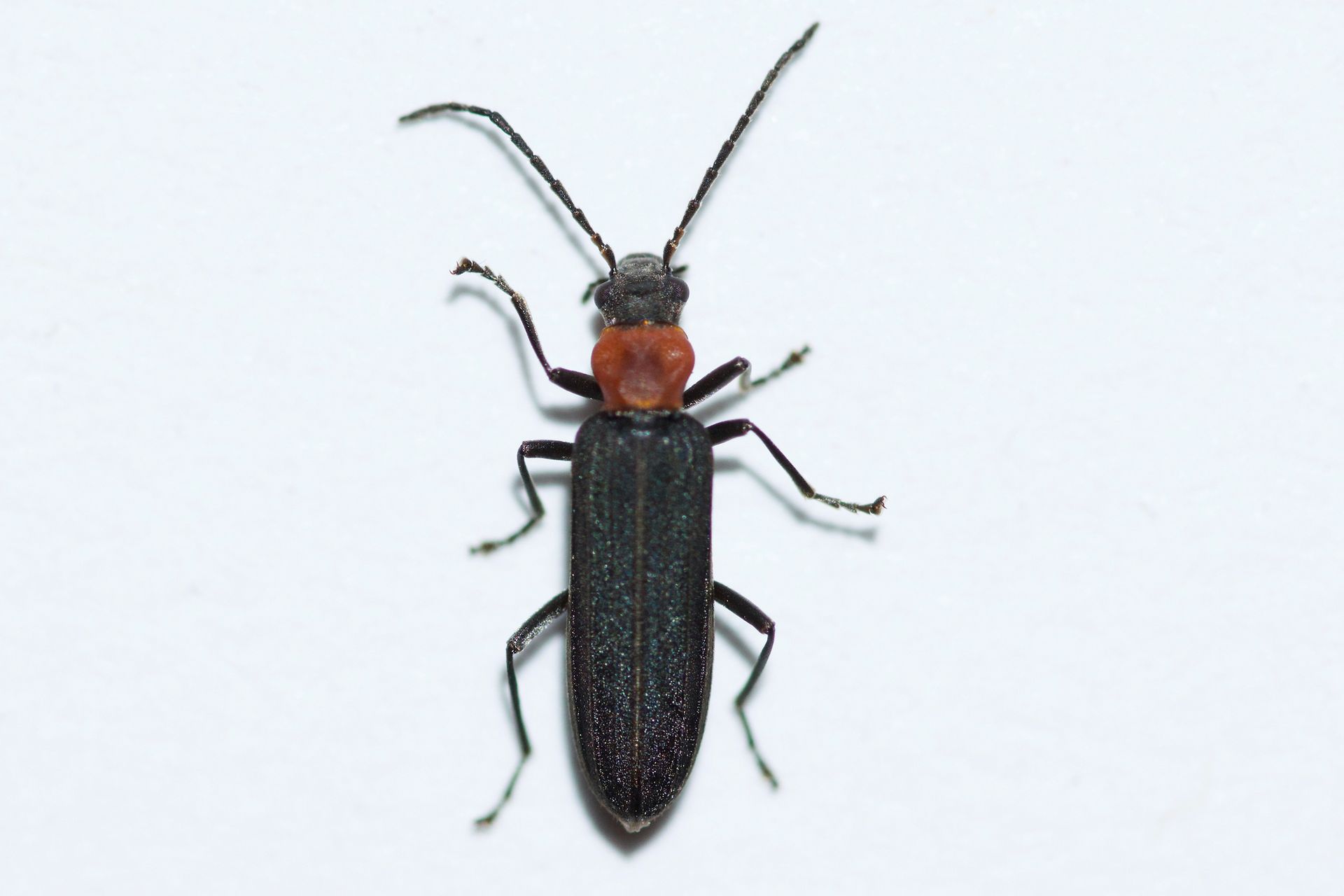
Ischnomera ruficollis, commonly known as the Red-necked False , is a small in the Oedemeridae. have been observed visiting flowers of early spring-blooming woody plants, particularly Prunus mexicana (Mexican plum) and Amelanchier arborea (downy serviceberry), where they feed alongside bees and other beetles. The exhibits mating on flowers and appears to be an early-season active species in temperate North American woodlands.
Pronunciation
How to pronounce Ischnomera ruficollis: /ˌaɪsknoʊˈmɛrə ˌruːfɪˈkɒlɪs/
These audio files are automatically generated. While they are not always 100% accurate, they are a good starting point.
Images
Habitat
Deciduous woodlands and forest edges; associated with early spring-blooming woody plants. Observed in riparian woodlands and areas with Prunus mexicana and Amelanchier arborea in bloom.
Distribution
Recorded from Missouri (Franklin County) and presumably more broadly distributed in eastern North America given the range, though specific distribution data beyond the observed locality is not provided in available sources.
Seasonality
active in early spring, observed in early April in Missouri during warm afternoons when temperatures rise sufficiently for insect activity.
Diet
feed on pollen and nectar of flowering woody plants, specifically documented on Prunus mexicana (Mexican plum) and Amelanchier arborea (downy serviceberry).
Host Associations
- Prunus mexicana - food source (pollen/nectar)Mexican plum; abundant visitation observed when in full bloom
- Amelanchier arborea - food source (pollen/nectar)Downy serviceberry; moderate visitation observed when in full bloom, fewer individuals than on Prunus mexicana
Behavior
engage in mating on flowers. Active during warm periods in early spring, often found in mixed with other flower-visiting beetles such as Orsodacne atra.
Ecological Role
Pollen and nectar feeder; likely contributes to pollination of early spring-blooming woody plants through incidental pollen transfer while feeding.
Similar Taxa
- Orsodacne atraCo-occurs on same flowers (Prunus mexicana, Amelanchier arborea) and similar size, but belongs to Orsodacnidae (leaf beetles) rather than Oedemeridae; distinguished by family-level morphological characters
More Details
Collection context
Specimens were observed and photographed by entomologist Ted C. MacRae during a Missouri Native Plant Society field trip in April 2022, at Long Ridge Conservation Area in Franklin County, Missouri.