
Asclerini
Gistel, 1848
false blister beetles
Genus Guides
12- Copidita
- Eumecomera
- Heliocis(false blister beetles)
- Hypasclera
- Ischnomera(false blister beetles)
- Oxacis
- Oxycopis
- Paroxacis
- Rhinoplatia
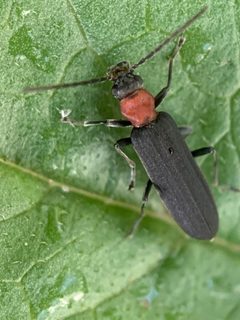
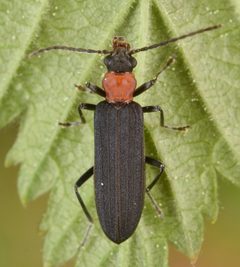
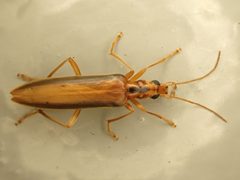
Asclerini is a tribe of false blister beetles within the Oedemeridae, established by Gistel in 1848. The tribe encompasses more than 40 and over 200 described . Members are soft-bodied beetles commonly associated with flowers and vegetation. Asclerini represents one of the major lineages within the Oedemeridae, a family known for containing the -producing "false blister beetles."
Pronunciation
How to pronounce Asclerini: /æˈsklɛrɪnaɪ/
These audio files are automatically generated. While they are not always 100% accurate, they are a good starting point.
Identification
Distinguished from other Oedemeridae tribes by combinations of antennal structure, tarsal formula, and male genitalia characteristics. Separation from related tribes (such as Oedemerini) requires examination of tarsal segmentation and detailed morphological features. The swollen hind of males, when present, aid in recognition to level but not to tribe. Definitive identification to tribe level typically requires dissection and examination of aedeagal structures.
Images
Habitat
Associated with flowering vegetation, meadows, and herbaceous plant . Often found on flowers where feed on pollen. Larval presumed to include decaying wood, plant stems, or soil, based on -level patterns, though specific larval microhabitats for most Asclerini remain poorly documented.
Distribution
Widespread across the Holarctic region, with representation in North America, Europe, and Asia. Distribution extends into other regions including parts of Africa and the Neotropics, reflecting the broad geographic range of the Oedemeridae.
Seasonality
activity generally coincides with flowering periods of plants, typically spring through summer in temperate regions. Peak activity varies by latitude and local climate conditions.
Behavior
frequently observed on flowers, where they feed on pollen. Males with swollen hind use these modified legs to clasp females during mating. Adults are and capable of . When disturbed, some individuals may exhibit (feigning death).
Ecological Role
function as pollen feeders on diverse flowering plants, potentially contributing to pollination in some systems. Larval roles likely involve decomposition of plant material, though specific ecological contributions remain poorly studied for most .
Human Relevance
No significant direct economic impact. Like other Oedemeridae, some may contain , though Asclerini are not among the primary sources of this compound. Occasionally present in gardens and natural areas where they attract attention from entomologists and naturalists.
Similar Taxa
- OedemeriniAnother tribe within Oedemeridae; distinguished by tarsal formula and antennal structure, requiring detailed examination for separation
- CalopodiniRelated tribe of Oedemeridae with overlapping ; differentiation relies on male genitalia and subtle tarsal characteristics
More Details
Taxonomic History
The tribe was established by Gistel in 1848. The number of included has expanded substantially with modern taxonomic revisions, with current estimates exceeding 40 genera.
Species Diversity
counts vary between sources, with estimates ranging from approximately 70 to over 200 described species. This discrepancy reflects ongoing taxonomic work and differing interpretations of -level boundaries.