
Rhinoplatia
Horn, 1868
Species Guides
2- Rhinoplatia mortivallicola
- Rhinoplatia ruficollis(red-necked false blister beetle)
Rhinoplatia is a of false blister beetles ( Oedemeridae) established by Horn in 1868. The genus contains at least two described : Rhinoplatia mortivallicola (Arnett, 1947) and Rhinoplatia ruficollis (Horn, 1868). Members of this genus share characteristics with other oedemerids, including soft, somewhat elongated bodies and relatively long . The genus is distinguished within the family by specific morphological features, though detailed biological studies remain limited.
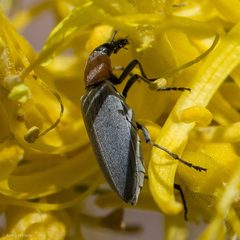
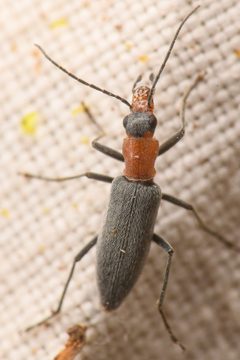
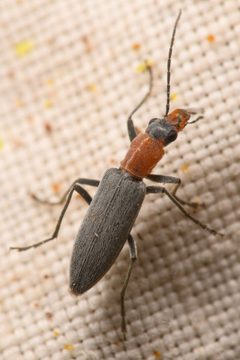
Pronunciation
How to pronounce Rhinoplatia: /ˌɹaɪnoʊˈpleɪʃiə/
These audio files are automatically generated. While they are not always 100% accurate, they are a good starting point.
Identification
Rhinoplatia can be recognized as oedemerids by their soft, flexible and slender, somewhat parallel-sided body form. The name refers to the distinctive nasal or snout-like projection of the . Rhinoplatia ruficollis has a reddish pronotum (collar), as indicated by its specific epithet. Definitive identification to species level requires examination of genitalic structures and other fine morphological details.
Images
Distribution
Rhinoplatia ruficollis is known from western North America. Rhinoplatia mortivallicola has been recorded from the eastern United States, specifically associated with the Great Smoky Mountains region.
Similar Taxa
- Other Oedemeridae generaSimilar soft-bodied appearance and elongated form; Rhinoplatia is distinguished by including the nasal projection.
- Meloidae (true blister beetles)Both have soft and similar body plans, but Oedemeridae including Rhinoplatia lack the defensive chemistry of true blister beetles and have different antennal and tarsal structures.
More Details
Taxonomic history
The was established by George Henry Horn in 1868 with Rhinoplatia ruficollis as the type . The second species, R. mortivallicola, was described by Ross H. Arnett in 1947, significantly expanding the known range of the genus.