
Mycetophagus fulvicollis
Fabricius, 1792
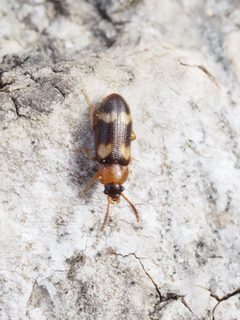
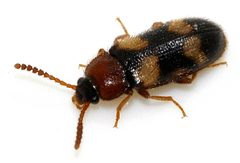
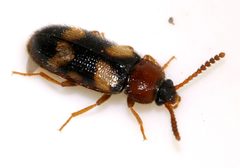
Mycetophagus fulvicollis is a of hairy fungus beetle in the Mycetophagidae, first described by Fabricius in 1792. This small is associated with fungal decay in wood and is part of the diverse of insects that colonize dead and decaying timber. The species has a broad distribution across Europe and extends into parts of Asia.
Pronunciation
How to pronounce Mycetophagus fulvicollis: /maɪˌsiːˈtɒfəɡəs ˌfʊlvɪˈkɒlɪs/
These audio files are automatically generated. While they are not always 100% accurate, they are a good starting point.
Images
Habitat
Decaying wood with fungal growth; associated with dead timber and wood-decay fungi.
Distribution
Widespread across Europe including the British Isles, Scandinavia, and Mediterranean regions; extends eastward through Russia into Kazakhstan, Mongolia, and other parts of Asia.
Diet
Associated with wood-decay fungi; larvae and feed on fungal and spores in decaying wood.
Ecological Role
Contributes to wood decomposition and nutrient cycling by consuming fungal in decaying timber.
More Details
Taxonomic notes
Mycetophagus fulvicollis belongs to the subgenus Mycetoxides within the Mycetophagus. The Mycetophagidae (hairy fungus beetles) is placed in the superfamily Tenebrionoidea.
Observation data
As of the data cutoff, iNaturalist records 143 observations of this , indicating it is encountered with moderate frequency by naturalists in its range.
Sources and further reading
- BugGuide
- GBIF taxonomy match
- iNaturalist taxon
- NCBI Taxonomy
- Catalogue of Life
- Stylish Lepidoptera: Ermine Moth, Atteva aurea; Yellow-Collared Scape Moth, Cisseps fulvicollis; Pearl Crescent, Phyciodes tharos; Variegated Fritillary, Euptoieta claudia — Bug of the Week
- Aposematic autumn moths: Yellow-collared scape moth, Cisseps fulvicollis, and Ermine moth, Atteva aurea — Bug of the Week
- Archive — Bug of the Week