
Mycetophagini
Leach, 1815
Genus Guides
2- Litargus(hairy fungus beetles)
- Mycetophagus(hairy fungus beetles)
Mycetophagini is a tribe of beetles within the Mycetophagidae, commonly known as hairy fungus beetles. These beetles are associated with fungal substrates and are found in diverse worldwide. The tribe contains multiple and is distinguished from related tribes by subtle morphological characters of the and .
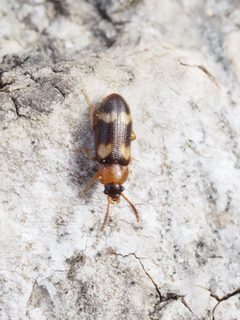
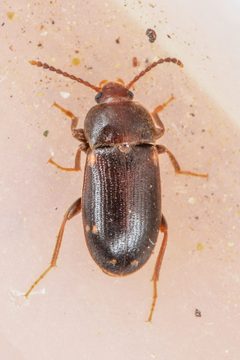
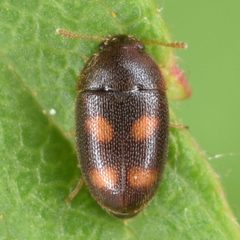
Pronunciation
How to pronounce Mycetophagini: //ˌmaɪsɪˌtoʊˈfædʒɪnaɪ//
These audio files are automatically generated. While they are not always 100% accurate, they are a good starting point.
Identification
Members of Mycetophagini can be distinguished from the tribe Mycetophagulini by antennal structure: Mycetophagini possess a 3-segmented antennal club, whereas Mycetophagulini have a 2-segmented club. Tarsal formula varies among and serves as an additional diagnostic character. Body form is generally elongate-oval with setose (hairy) , though this trait is shared with other mycetophagid tribes.
Images
Habitat
in this tribe inhabit environments where fungi occur, including decaying wood, leaf litter, fungal fruiting bodies, and stored products with mold growth. Specific microhabitat preferences vary by and species.
Distribution
Worldwide distribution, with records from North America, Europe, Asia, Africa, and Australia. Individual within the tribe show varying geographic ranges.
Diet
Larvae and feed on fungal mycelium and spores. Specific fungal associations vary among and remain incompletely documented for many .
Life Cycle
Complete with , larva, pupa, and stages. Larvae are typically found in fungal substrates alongside adults. Detailed data are lacking for most .
Behavior
are often found on fungal fruiting bodies and may be attracted to light. Some occur in where mold is present.
Ecological Role
Decomposers that contribute to nutrient cycling through consumption of fungal . May serve as prey for other in forest floor and decaying wood .
Human Relevance
Occasional minor pests in stored products with mold . Some have been documented in buildings with moisture and fungal growth problems. Generally of minimal economic importance.
Similar Taxa
- MycetophaguliniDistinguished by 2-segmented (vs. 3-segmented) antennal club; otherwise similar in body form and fungal association
- EustrophiniRelated tribe in Mycetophagidae with different antennal and tarsal characters; some formerly placed in Mycetophagini
More Details
Taxonomic History
The tribal classification of Mycetophagidae has undergone revision, with some transferred between Mycetophagini and related tribes based on phylogenetic analyses. The current circumscription follows recent systematic treatments.
Research Needs
, specific fungal associations, and stages remain poorly known for most Mycetophagini . The tribe would benefit from focused taxonomic and ecological study.