Pyrota deceptiva
Selander, 1963
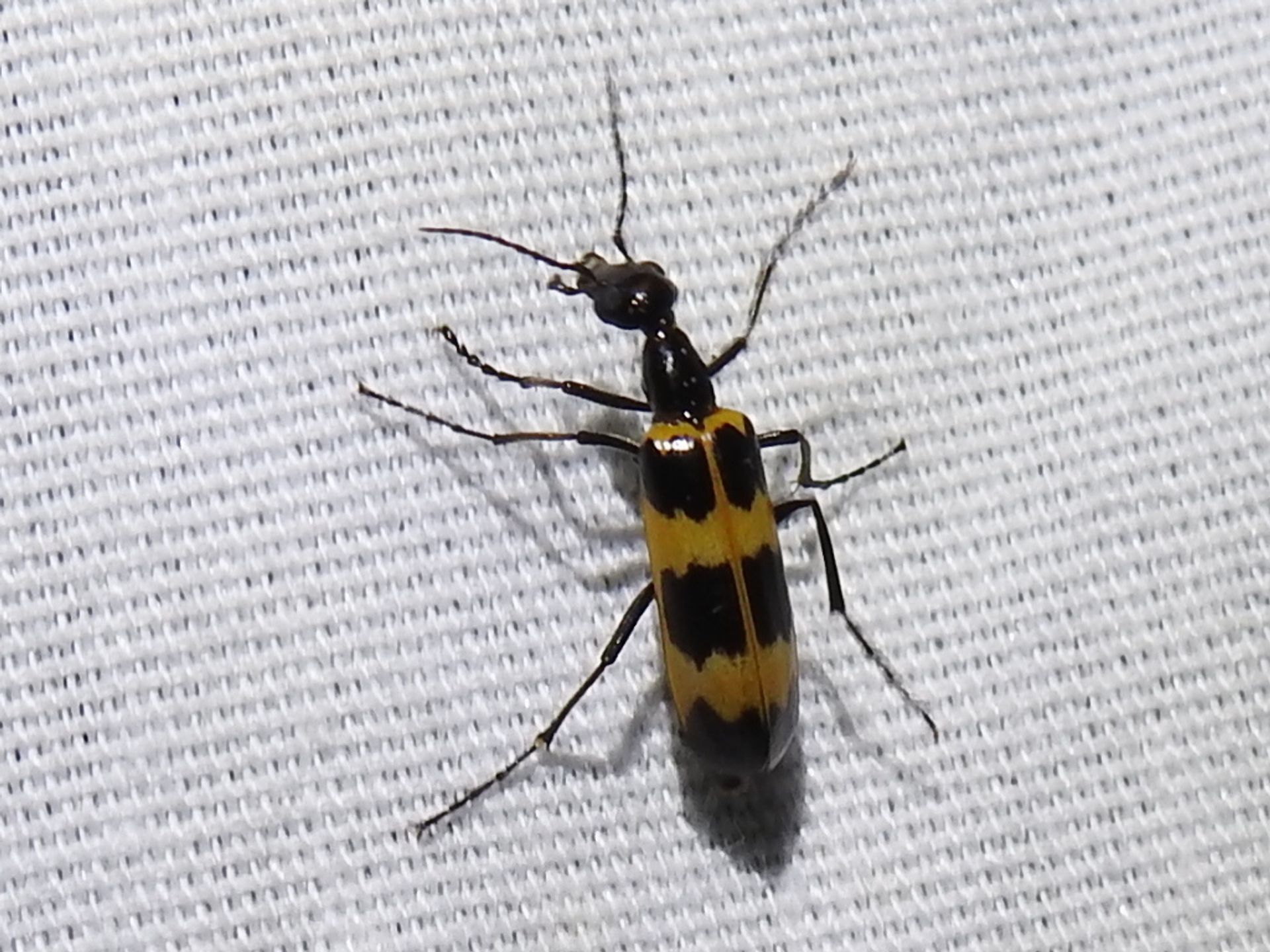
Pyrota deceptiva is a blister beetle in the Meloidae, described by Selander in 1963. It occurs in Central America and North America. Like other members of the Pyrota, it likely exhibits aposematic coloration and produces , a defensive compound. The specific epithet "deceptiva" suggests possible mimicry or misleading appearance relative to other .
Pronunciation
How to pronounce Pyrota deceptiva: /paɪˈroʊtə dɪˈsɛptɪvə/
These audio files are automatically generated. While they are not always 100% accurate, they are a good starting point.
Identification
Pyrota deceptiva can be distinguished from other Pyrota by its specific coloration and pattern, though detailed diagnostic features require examination of or original description. The Pyrota is characterized by soft-bodied beetles with thread-like and often striking orange, black, and white color patterns. Species-level identification within Pyrota typically requires careful comparison of elytral markings, pronotal patterns, and male genitalia.
Images
Distribution
Central America and North America.
Similar Taxa
- Pyrota bilineataSimilar orange and black coloration with longitudinal elytral stripes; P. deceptiva distinguished by specific pattern details and geographic overlap in some regions
- Pyrota palpalisShares characteristics including soft body and aposematic coloration; differs in pronotal and elytral pattern details