
Ciini
Leach, 1819
Genus Guides
8Ciini is a tribe of minute beetles within the Ciidae, commonly known as minute tree-fungus beetles. The tribe contains at least 30 and was established by Leach in 1819. Members are small, mycophagous beetles associated with fungal growth on wood.
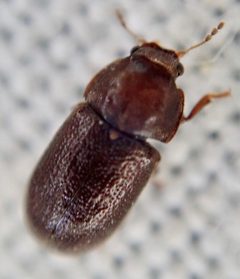
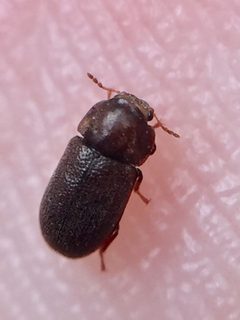
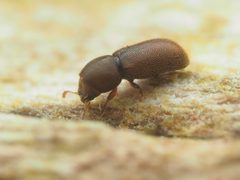
Pronunciation
How to pronounce Ciini: /ˈkaɪ.iːnaɪ/
These audio files are automatically generated. While they are not always 100% accurate, they are a good starting point.
Identification
Distinguished from other ciid tribes primarily by genitalic and other internal morphological characters. External features alone often insufficient for tribal-level identification; examination of male genitalia or other detailed morphological study required. Distinguished from the related tribe Xylographellini by subtle differences in body proportions and genitalic structure.
Images
Habitat
Strictly associated with wood-decaying fungi, particularly polypore and bracket fungi (Basidiomycota) growing on dead or dying wood. Found in forested environments where suitable fungal occur, including standing dead trees, fallen logs, and stumps.
Distribution
Widespread in forested regions globally, with records from North America, Europe, Asia, Africa, and Australasia. Distribution follows that of suitable fungal and woody debris availability.
Seasonality
activity generally coincides with favorable conditions for fungal growth; in temperate regions, most active during spring through autumn when moisture and temperature support fungal fruiting.
Diet
Mycophagous; larvae and feed on the and spores of wood-decaying basidiomycete fungi, particularly polypores.
Host Associations
- Polyporaceae (Basidiomycota) - primary food sourceFungal and spores consumed by larvae and
- Other wood-decaying Basidiomycota - food sourceBracket fungi and similar polypores on dead wood
Life Cycle
Complete (holometabolous). laid in or near fungal fruiting bodies. Larvae feed within fungal tissue, developing through several instars. occurs in protected locations within the substrate. emerge and may disperse to new fungal . Multiple per year possible where conditions permit.
Behavior
and larvae are cryptic, remaining concealed within fungal fruiting bodies or under bark. Adults capable of and disperse to locate new fungal resources. Strongly thigmotactic, preferring tight spaces within decaying wood and fungal tissues.
Ecological Role
Decomposers specializing in fungal material; contribute to nutrient cycling in dead wood . Serve as prey for various small within the dead wood .
Human Relevance
No direct economic importance. Occasionally encountered by mycologists, entomologists, and naturalists studying dead wood . Presence indicates healthy dead wood and fungal diversity.
Similar Taxa
- XylographelliniOther tribe in Ciinae; distinguished by genitalic and subtle external features
- Other small mycophagous beetles (e.g., some Staphylinidae, Mycetophagidae)Share and general appearance; distinguished by antennal structure, body form, and association with specific fungal groups
More Details
Taxonomic note
Ciini is the nominate tribe of Ciinae and contains the majority of described ciid . The tribe has undergone significant taxonomic revision, with many genera historically placed here subsequently moved to other tribes or newly described.
Conservation relevance
Dependent on continuity of dead wood ; sensitive to forest management practices that remove coarse woody debris.