
Trichophyinae
Thomson, C. G., 1858
Genus Guides
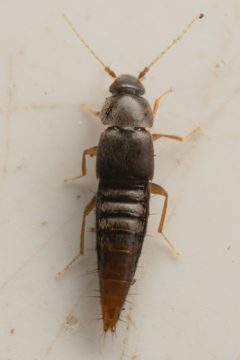
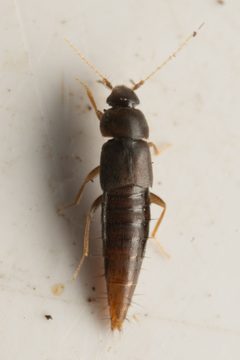
1Trichophyinae is a of rove beetles (Staphylinidae) containing only the Trichophya. Established by Thomson in 1858, this subfamily represents one of the most -poor lineages within the hyperdiverse rove beetle . The genus Trichophya contains multiple described species, though the exact number remains uncertain due to taxonomic revisions. These beetles are rarely encountered and poorly represented in collections.
Pronunciation
How to pronounce Trichophyinae: //ˌtraɪkoʊˈfaɪɪni//
These audio files are automatically generated. While they are not always 100% accurate, they are a good starting point.
Identification
Members of Trichophyinae can be distinguished from other staphylinid by their placement within the Trichophya. Diagnostic features for the genus include: short exposing most of the (as in all Staphylinidae), , and a characteristic body form with the narrower than the pronotum. The subfamily lacks the specialized morphological adaptations seen in many other staphylinid lineages such as the heavily modified mouthparts of Steninae or the compact form of Pselaphinae.
Images
Distribution
of Trichophya have been recorded from the Holarctic region, with occurrences in Europe and North America. Records are sparse and scattered, reflecting both genuine rarity and undercollecting.
Similar Taxa
- StaphylininaeBoth are of Staphylinidae with generalized body plans, but Staphylininae is hyperdiverse with thousands of and numerous tribes, whereas Trichophyinae contains only a single .
- TachyporinaeTachyporinae shares a similar generalized rove beetle , but can be distinguished by tribal-level characters and the presence of multiple ; Trichophyinae is at the genus level.
More Details
Taxonomic Status
The Trichophyinae has been historically unstable in classification. Some treatments have synonymized it with other subfamilies or treated Trichophya as incertae sedis within Staphylinidae. Current molecular and morphological evidence supports its recognition as a distinct subfamily, though its phylogenetic position within the remains poorly resolved.
Collection Rarity
With only 10 observations on iNaturalist and sparse museum records, Trichophyinae is among the least documented staphylinid . This rarity may reflect genuine low abundance, cryptic habits, or association with under-sampled microhabitats.