
Platydracus cinnamopterus
(Gravenhorst, 1802)
Cinnamon-winged Rove Beetle
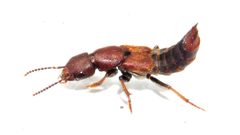
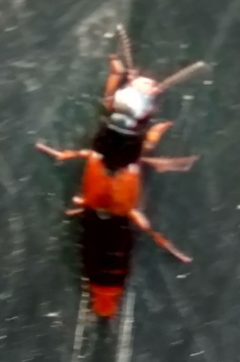
Platydracus cinnamopterus is a large rove beetle in the Staphylinidae, distributed across eastern and central North America. The is characterized by its cinnamon-colored wing covers (), which provide the specific epithet 'cinnamopterus' (cinnamon-winged). Like other members of the Platydracus, it is a predatory commonly associated with decaying organic matter and fungal .
Pronunciation
How to pronounce Platydracus cinnamopterus: //ˌplætɪˈdreɪkəs sɪˌnæməʊpˈtɛrəs//
These audio files are automatically generated. While they are not always 100% accurate, they are a good starting point.
Identification
Distinguished from other large Platydracus by the cinnamon-brown coloration of the . Platydracus maculosus has more distinctly spotted or patterned elytra. Platydracus tomentosus is typically more uniformly dark or black. The specific epithet cinnamopterus directly references the wing color. Examination of male genitalia or other microscopic characters may be necessary for definitive identification in areas where ranges overlap with similar species.
Images
Habitat
Found in moist, decaying organic matter including rotting wood, leaf litter, compost, and fungal fruiting bodies. Often associated with hardwood forests and woodland edges. Frequently encountered in such as gardens, parks, and areas with accumulated organic debris.
Distribution
Eastern and central North America: recorded from Canada (Manitoba, New Brunswick, Nova Scotia, Ontario, Quebec) and widespread across the eastern and central United States from Maine to Florida, west to Texas and Nebraska, and north to Minnesota and Wisconsin.
Seasonality
are active primarily from spring through fall, with peak activity during summer months. May be found year-round in suitable microhabitats in southern portions of range.
Diet
Predatory, feeding on other insects and found in decaying organic matter. Has been observed preying on fungus beetles and other small insects in mushroom .
Life Cycle
Complete with , larva, pupa, and stages. Larvae are predatory and develop in the same decaying organic matter as adults. Detailed information specific to this is limited.
Behavior
Fast-moving and agile, typical of rove beetles. Capable of but often runs rapidly when disturbed. When threatened, may curve the upward in a -like posture, though this lacks a functional stinger. are attracted to fungal fruiting bodies where they prey on other insects.
Ecological Role
in decomposer , regulating of other insects in decaying organic matter and fungal . Contributes to nutrient cycling through its presence in decomposition systems.
Human Relevance
Generally beneficial as a of other insects. Occasionally found in gardens, compost piles, and similar human-modified . Not considered a pest . May be encountered by mushroom foragers and entomologists sampling fungal habitats.
Similar Taxa
- Platydracus maculosusSimilar large size and preferences, but has distinctly spotted or maculate rather than uniform cinnamon coloration
- Platydracus tomentosusOverlapping distribution and size, but typically darker, more uniformly colored without cinnamon tones
- Tasgius winkleriSimilar size and introduced European rove beetle expanding in North America, but with different elytral coloration and pattern
More Details
Etymology
The specific epithet cinnamopterus combines Greek 'kinnamomon' (cinnamon) and 'pteron' (wing), referring to the distinctive cinnamon-colored .
Taxonomic History
Originally described as Staphylinus cinnamopterus by Gravenhorst in 1802, later transferred to the Platydracus.