
Plectrodes pubescens
Horn, 1867
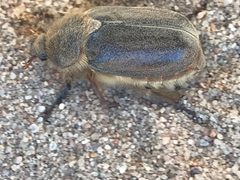
Plectrodes pubescens is a of scarab beetle in the Scarabaeidae, Melolonthinae. Described by Horn in 1867, this species is known from California, USA. Very little is known about its or . The Plectrodes contains few species and is poorly studied compared to related melolonthine genera.
Pronunciation
How to pronounce Plectrodes pubescens: /plɛkˈtroʊdiːz pjuːˈbɛsɛnz/
These audio files are automatically generated. While they are not always 100% accurate, they are a good starting point.
Identification
Identification to level requires examination of genitalia and detailed morphological characters. The Plectrodes is distinguished from related melolonthine genera by combinations of antennal structure, tarsal claw , and male genitalia. Plectrodes pubescens specifically is known from California and can be distinguished from by subtle differences in punctuation , body proportions, and male genitalia structure. Specimens should be compared with type material or verified by scarabaeidae .
Images
Distribution
Known from California, USA. GBIF records indicate presence in the Nearctic region with California as the documented locality.
Similar Taxa
- Other Plectrodes species share similar general melolonthine and require detailed examination of genitalia and subtle external characters for separation.
- Related Melolonthini genera (e.g., Melolontha, Phyllophaga)These common melolonthines share the general 'May beetle' body form but differ in antennal structure, tarsal claw , and male genitalia.
More Details
Taxonomic notes
Plectrodes is a small within the diverse tribe Melolonthini. The genus has received limited taxonomic attention, and boundaries may require revision with modern methods.
Data deficiency
This is extremely poorly known. Only 2 observations are recorded in iNaturalist, and basic biological information including plants, stages, and seasonal activity remains undocumented.