Pleocoma puncticollis
Rivers, 1889
Black Rain Beetle
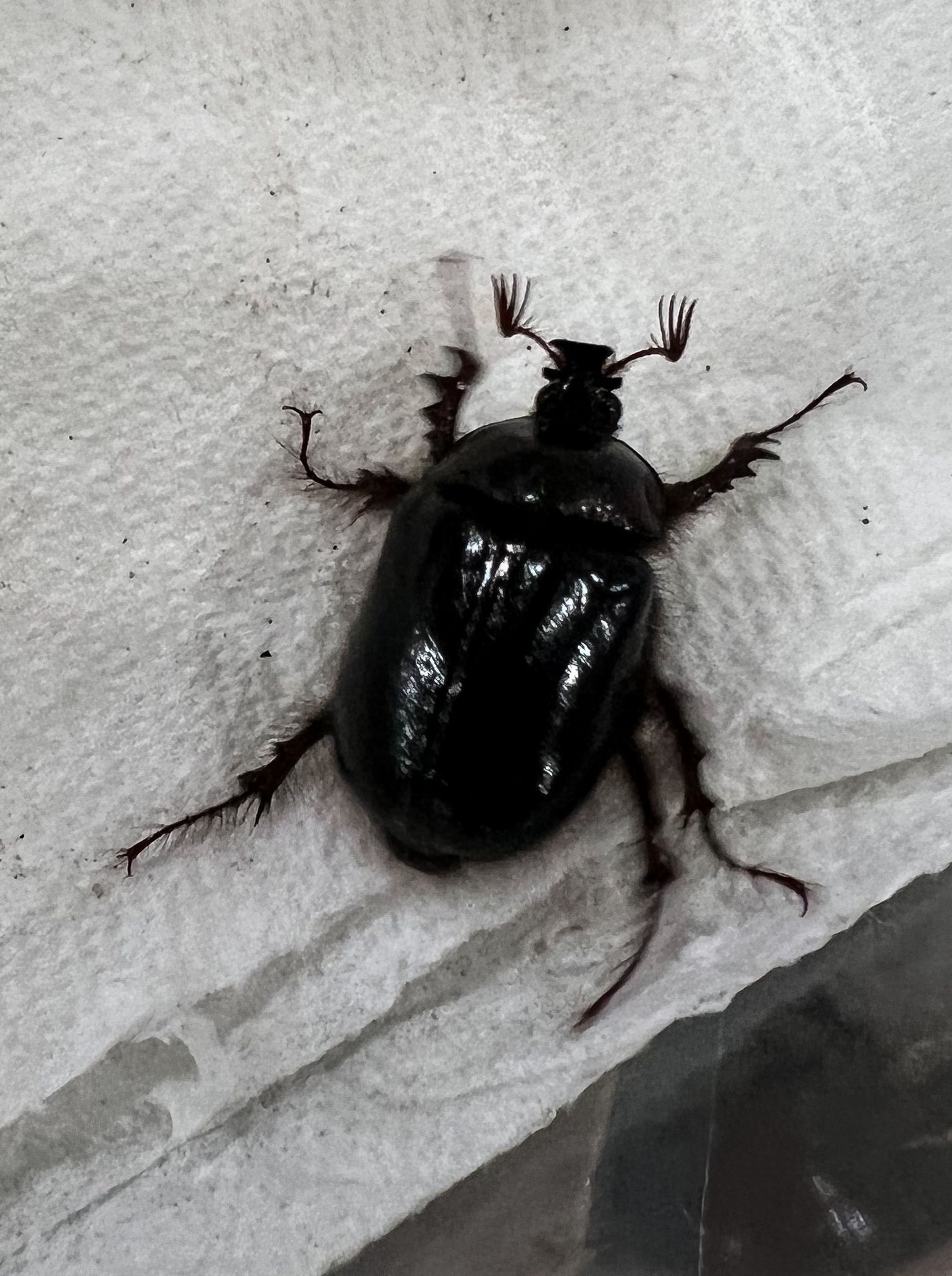
Pleocoma puncticollis, commonly known as the black rain beetle, is a of rain beetle in the Pleocomidae. It is to California. are known to emerge and fly during rainy conditions, a trait characteristic of the .
Pronunciation
How to pronounce Pleocoma puncticollis: //pliːˈoʊkəmə pʌŋkˈtɪkəlɪs//
These audio files are automatically generated. While they are not always 100% accurate, they are a good starting point.
Identification
Distinguished from other Pleocoma by the punctate pronotum indicated by its specific epithet. Males can be identified by their feathery and capability during rain events. Females are flightless and found in burrows. Separation from other California Pleocoma species requires examination of pronotal punctation patterns and male genitalia.
Images
Appearance
are robust, heavily built beetles with a predominantly black coloration. The specific epithet 'puncticollis' refers to punctate (dotted or pitted) markings on the pronotum (collar region). Males possess feathery (pectinate) , while females have simpler antennae and are flightless with reduced wings.
Habitat
Found in California's coastal and montane regions. are associated with sandy or friable soils where females construct burrows. Activity is tied to moist conditions during fall and winter rains.
Distribution
to California, United States. Records indicate presence in coastal and inland regions of the state.
Seasonality
emerge during fall and winter rains, typically from October through February. Activity is triggered by rainfall and moist soil conditions.
Life Cycle
Females remain in permanent burrows near the soil surface. Larvae are presumed to develop underground, feeding on decaying organic matter or roots, though specific details are not well documented. occurs in soil chambers.
Behavior
Males fly low over the ground during rainy weather, often in large numbers, seeking females. Females remain in burrows and produce stridulatory sounds to attract males. Both sexes are primarily .
Ecological Role
Larvae contribute to soil aeration and nutrient cycling through burrowing activity. may serve as a food source for vertebrate during events.
Human Relevance
Males are sometimes attracted to lights during rainy nights. The mass can be conspicuous but are harmless to humans and agriculture. Occasionally mistaken for pests due to their sudden appearance.
Similar Taxa
- Other Pleocoma speciesCo-occur in California and share rain-flying ; distinguished by pronotal punctation patterns, male genitalia, and geographic distribution
- Scarabaeidae (scarab beetles)Similar robust body form and or pectinate in males; distinguished by -level characters including wing venation and abdominal structure
More Details
Vernacular name
The 'black rain beetle' refers to its coloration and the -wide of flying during rainfall.
Conservation status
Not formally assessed; to California with restricted range, potentially vulnerable to loss and climate effects on rainfall patterns.