Platycerini
Mulsant, 1842
broad-necked stag beetles
Genus Guides
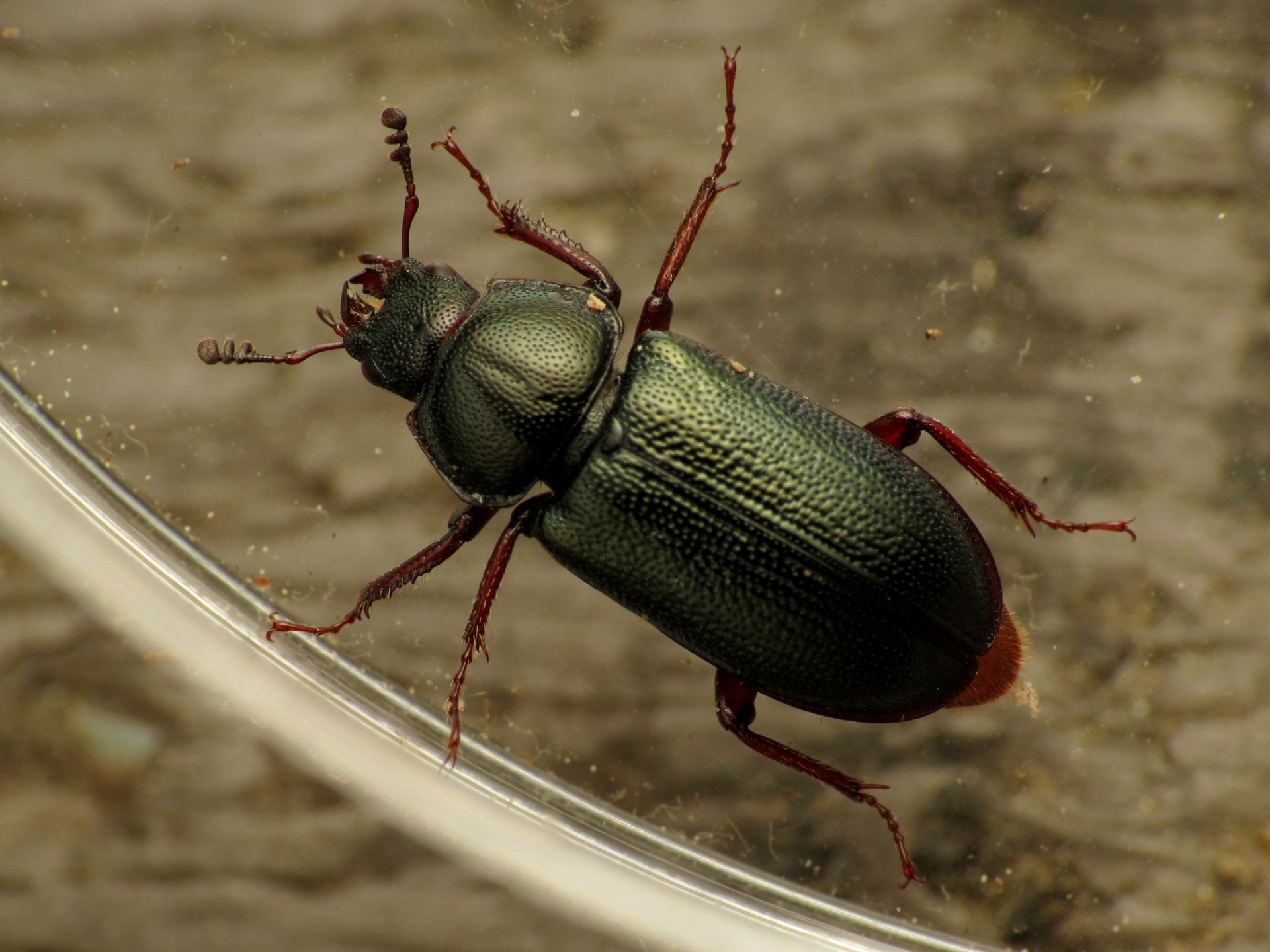
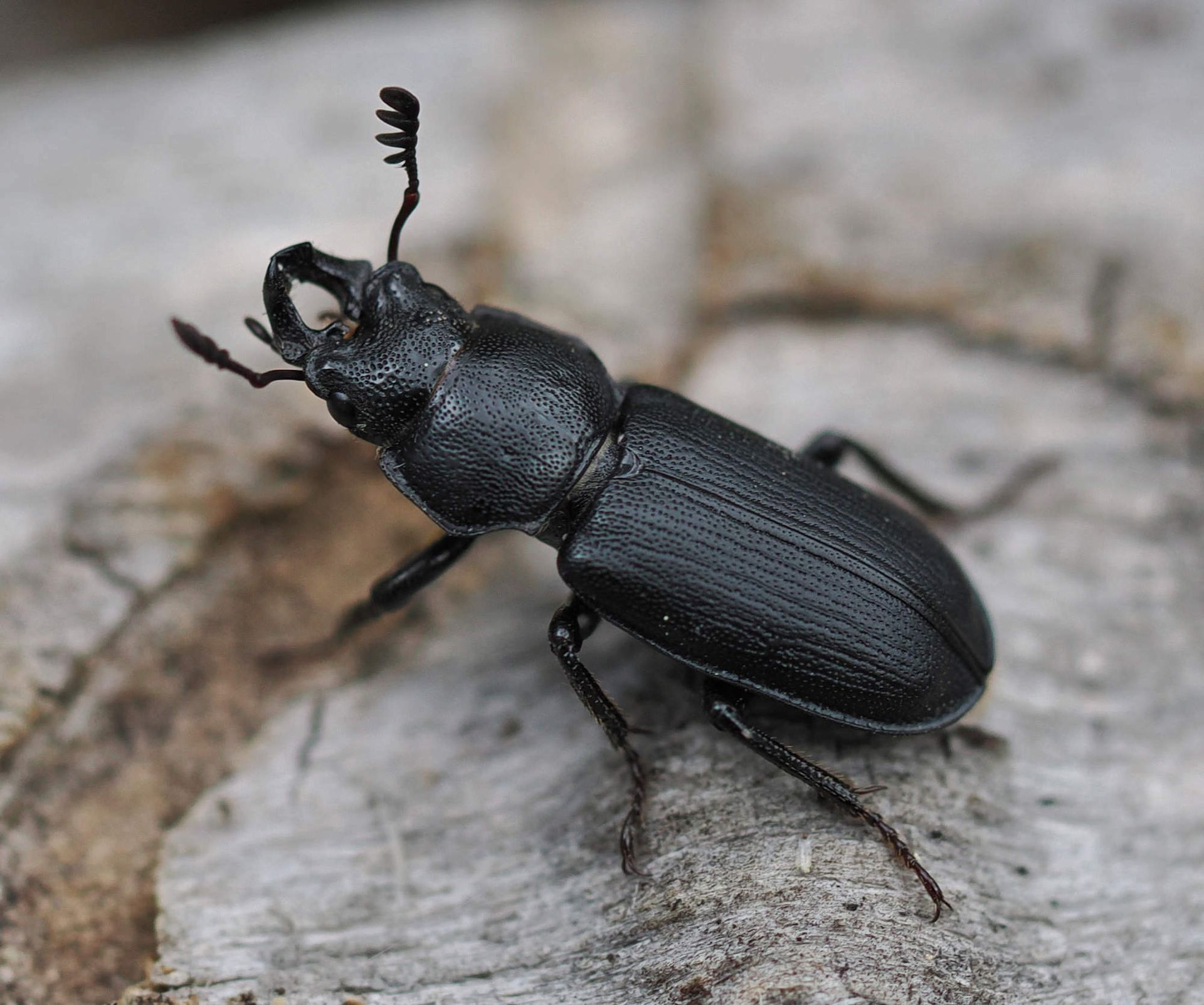
1Platycerini is a tribe of stag beetles within the Lucanidae, established by Mulsant in 1842. Members are commonly known as broad-necked stag beetles. The tribe is characterized by distinctive morphological features, particularly the broad pronotum relative to width in males. Platycerini includes several distributed primarily in North America and Eurasia. Larvae develop in decaying wood, contributing to forest decomposition processes.
Pronunciation
How to pronounce Platycerini: /ˌplætɪˈsɛrɪnaɪ/
These audio files are automatically generated. While they are not always 100% accurate, they are a good starting point.
Identification
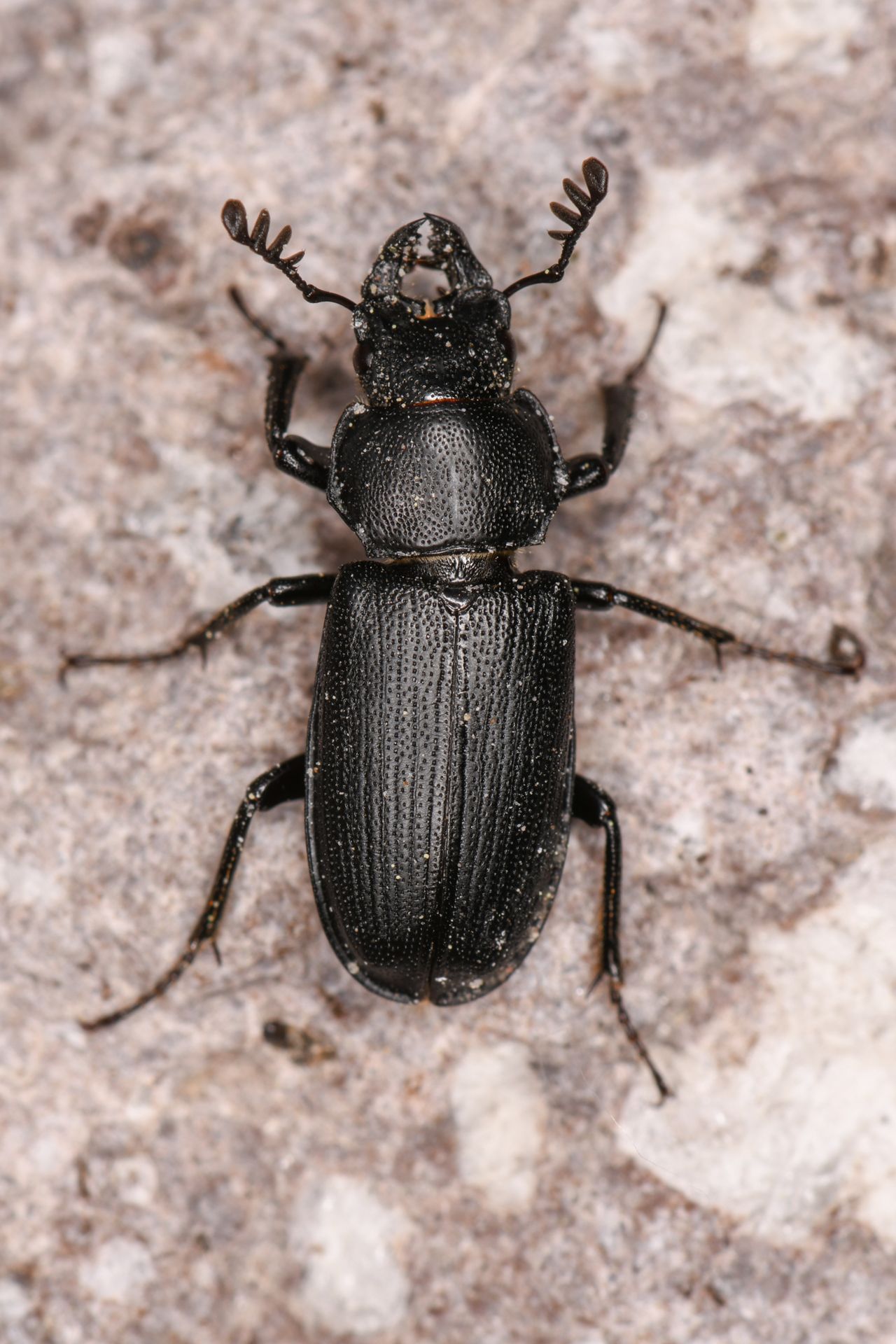
Distinguished from other Lucanidae tribes by the broad, often quadrate pronotum that is conspicuously wider than the in males. structure differs from the more extremely enlarged, antler-like mandibles of Lucanini. Females lack the pronounced mandibular development seen in males of their own and can be confused with females of other tribes; pronotal width remains a useful character. Antennal club with 3-7 depending on .
Images
Appearance
exhibit with males possessing enlarged used in combat. The pronotum is notably broad, often wider than the , giving the 'broad-necked' . Body form is robust and somewhat flattened. are geniculate with clubs. Coloration ranges from reddish-brown to black, often with shiny or matte cuticular surfaces. Size varies by , with some reaching substantial body lengths.
Habitat
Associated with mature forests and woodlands containing decaying hardwood logs and stumps. Larval development requires moist, decaying wood, particularly of broadleaf trees. are often found near larval or attracted to sap flows and fermenting substances.
Distribution
Holarctic distribution, with primary occurrence in North America and temperate Eurasia. North American representation includes several with transcontinental or regional distributions. Eurasian occur across Europe and extend into East Asia.
Seasonality
activity period varies by latitude and , generally occurring from late spring through summer. Some species show peak activity in June-July in temperate regions. activity patterns common, with adults sometimes attracted to artificial light sources.
Life Cycle
Complete with prolonged larval stage. Larvae feed on decaying wood, tunneling through rotting logs and stumps. Development from to typically requires two or more years depending on conditions. occurs in wood tunnels. Adults are short-lived relative to larval stage and do not feed extensively.
Behavior
Males use in combat with rival males for access to females. Combat involves grappling and lifting opponents. are generally and cryptic in daytime, hiding under bark or in crevices. Attracted to fermenting tree sap and other sugar sources. capability present but adults often remain near sites.
Ecological Role
Larvae contribute to wood decomposition and nutrient cycling in forest . Tunneling activity aerates decaying wood and creates for other saproxylic organisms. serve as prey for birds, mammals, and other insects. Considered indicators of mature forest conditions due to dependence on decaying wood habitat.
Human Relevance
Occasionally collected by insect enthusiasts. Some larger have minor cultural significance in Japan and other regions where stag beetles are appreciated. Not considered agricultural or structural pests. Presence indicates healthy forest with sufficient dead wood retention.
Similar Taxa
More Details
Taxonomic history
The tribal classification within Lucaninae has undergone revision, with some authors previously treating Platycerini as a subtribe or synonymizing it with other groups. Current molecular and morphological evidence supports its recognition as a distinct tribe.