
Lucanidae
Latreille, 1804
Stag Beetles
Subfamily Guides
3- Aesalinae
- Lucaninae(stag beetles)
- Syndesinae
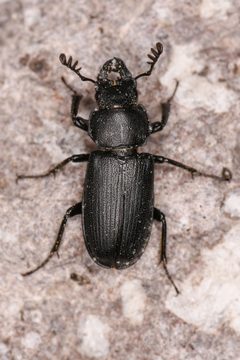
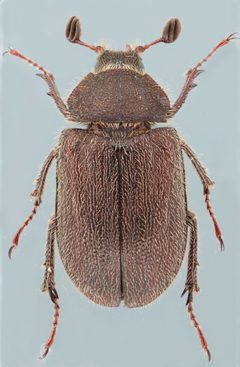
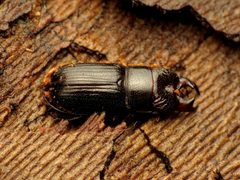
is a of approximately 1,200 described of beetles worldwide, with the highest diversity occurring in Southeast Asia. are characterized by enlarged , particularly in males, though mandible size and shape vary considerably among species. Most species are saproxylic, with larvae developing in decaying wood and adults frequently associated with living trees for feeding and mating.
Pronunciation
How to pronounce Lucanidae: /luːˈkænɪdiː/
These audio files are automatically generated. While they are not always 100% accurate, they are a good starting point.
Identification
recognized by enlarged, often antler-like in males; females typically have smaller, more functional mandibles. Body size ranges from approximately 5 cm to over 12 cm in some . Larvae are C-shaped, creamy white with well-developed thoracic legs and a darkened capsule, similar in general form to scarab larvae but distinguishable by specific mouthpart and characteristics detailed in larval keys.
Images
Habitat
Larvae inhabit decaying wood at various stages of decomposition, soil-wood interfaces beneath logs, and soil adjacent to rotting wood. are associated with living trees, where they feed on sap and locate mates.
Distribution
Worldwide distribution with highest in Southeast Asia; present across temperate and tropical regions including North America, Europe, Asia, and parts of South America and Africa.
Diet
Larvae feed on deadwood and materials rich in fungal . feed on sap from living trees.
Life Cycle
Females oviposit directly within decaying wood, at soil-wood interfaces beneath logs, or in soil adjacent to decomposing substrates. Larvae spend the majority of their lifespan in decaying wood or decomposing substrates. Duration of larval development varies among ; occurs within the wood or soil substrate.
Behavior
are highly dependent on living trees for locating mating partners. Many are attracted to sap flows on living trees.
Ecological Role
Contributes to deadwood decomposition through larval feeding activities; fungal associations play a role in wood breakdown processes.
Similar Taxa
- ScarabaeidaeLarvae are similarly C-shaped and found in soil or decomposing matter; distinguished by larval mouthparts ( have stridulatory organ on , different raster patterns) and (Scarabaeidae have , Lucanidae have geniculate antennae with elongated segments)
- PassalidaeBoth are saproxylic with larvae in decaying wood; Passalidae have characteristic trident and are often found in family groups in logs, whereas adults are typically solitary and have enlarged but differently structured mandibles
Sources and further reading
- BugGuide
- GBIF taxonomy match
- iNaturalist taxon
- NCBI Taxonomy
- Catalogue of Life
- Distribution in Certain Lucanidae
- NOTES ON LARVAL LUCANIDAE (COLEOPTERA)
- Diversity and Ecology of Stag Beetles (Lucanidae)
- Description of the Larva of Nicagus obscurus (LeConte) (Coleoptera: Lucanidae: Nicaginae), with Comments on Its Position in Lucanidae and Notes on the Larval and Adult Habitat
- Revision of Prismognathus Motschulsky, 1860 (Coleoptera: Lucanidae) in Taiwan
- Systematic revision and biogeography of the endemic Lucanus kanoi species complex (Coleoptera, Lucanidae) from Taiwan, with the description of a new subspecies.