Peltotrupes profundus
Howden, 1952
Florida Deep-digger Scarab, Florida deepdigger scarab
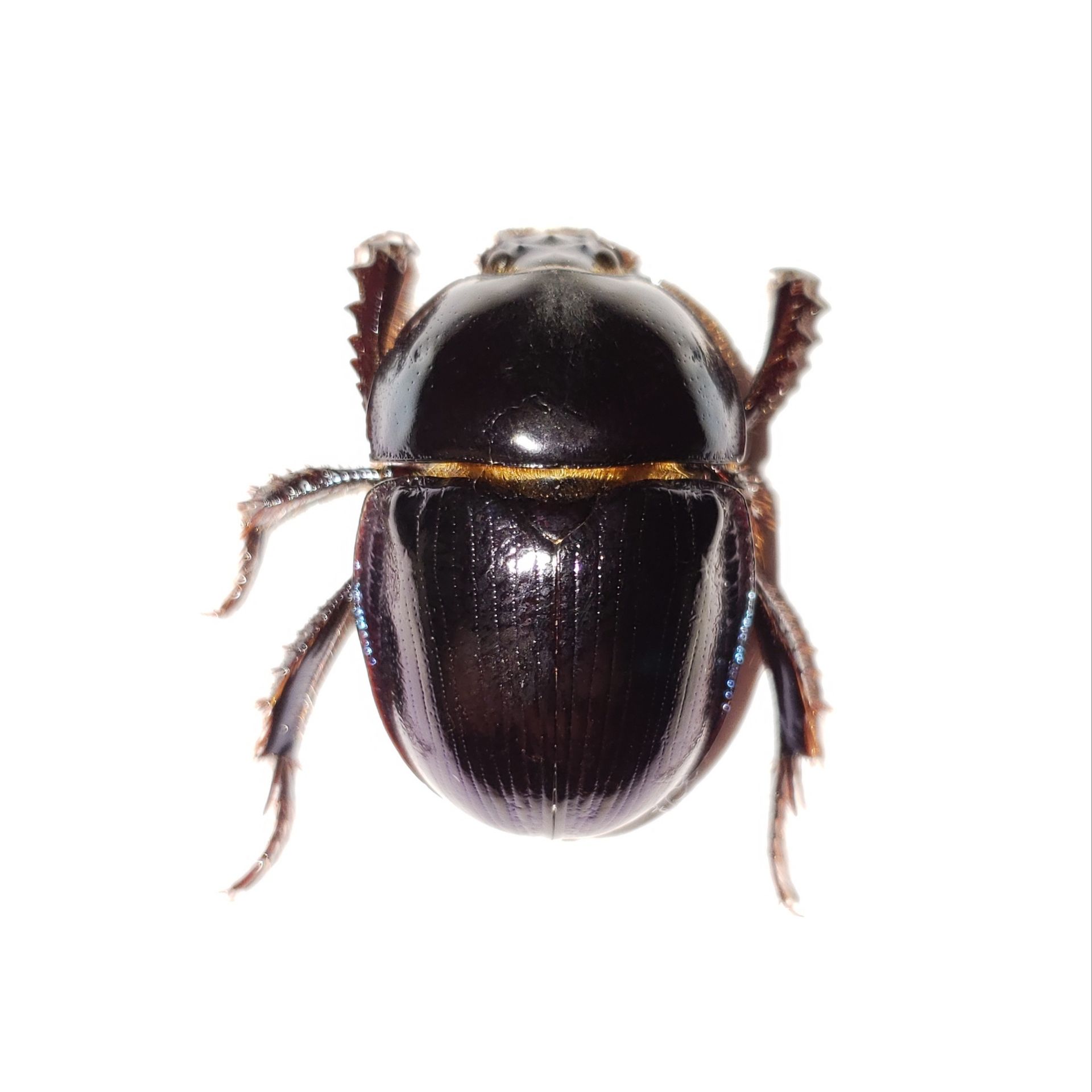
Peltotrupes profundus is an earth-boring scarab beetle in the Geotrupidae, to Florida. The was described by Henry Howden in 1952 and belongs to a of deep-burrowing beetles adapted to sandy substrates. Two are recognized: the nominate P. p. profundus and P. p. dubius. Like other geotrupids, construct deep burrows for larval development.
Pronunciation
How to pronounce Peltotrupes profundus: /ˌpɛltoʊˈtruːpiːz prəˈfʌndəs/
These audio files are automatically generated. While they are not always 100% accurate, they are a good starting point.
Identification
Distinguished from other North American Geotrupidae by combination of deep burrowing in sandy soils and geographic restriction to Florida. The Peltotrupes is separated from related genera such as Geotrupes by genitalic and external morphological characters detailed in Howden's 1955 revision. dubius differs from nominate profundus in subtle morphological features.
Images
Habitat
Sandy substrates in Florida, including scrub and sandhill . The "deep-digger" refers to its burrowing in deep, well-drained sands.
Distribution
to Florida, United States. North American distribution restricted to this single state.
Life Cycle
construct deep burrows in sandy soil. Larval development occurs in provisioned underground chambers, typical of Geotrupidae.
Behavior
are active burrowers, constructing deep tunnels in sandy substrates. This is the source of the "deep-digger scarab."
Ecological Role
As an earth-boring scarab, contributes to soil aeration and nutrient cycling through burrowing activity. Larval chambers are provisioned with organic material, though specific food sources for this are not well documented.
Human Relevance
Of interest to coleopterists and scarab ; no documented economic or agricultural significance.
Similar Taxa
- Geotrupes splendidusShares Geotrupidae and general earth-boring habit, but occurs in eastern and central North America rather than Florida, and utilizes leaf litter and fungus more commonly than deep sandy burrows.
- Bolbocerosoma spp.Related geotrupid with burrowing , but differs in and geographic distribution.
More Details
Taxonomic history
The was described by H.F. Howden in 1952 as part of his comprehensive 1955 revision of North American Geotrupinae. The P. p. dubius was added by Howden in 1955.
Subspecies
Two recognized: Peltotrupes profundus profundus (nominate) and Peltotrupes profundus dubius Howden, 1955.