
Hydrochus callosus
LeConte, 1855
Hydrochus callosus is a of water scavenger beetle in the Hydrochidae, first described by John Lawrence LeConte in 1855. The species is found in the southeastern United States, with records from Alabama, Arkansas, Florida, Georgia, Louisiana, Mississippi, South Carolina, and Texas. Hydrochidae are small aquatic beetles typically associated with freshwater .
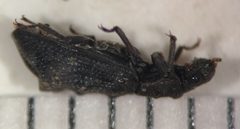
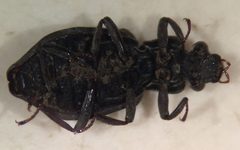
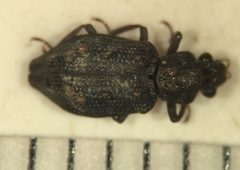
Pronunciation
How to pronounce Hydrochus callosus: /ˈhɪdroʊkəs kəˈloʊsəs/
These audio files are automatically generated. While they are not always 100% accurate, they are a good starting point.
Identification
Hydrochus callosus can be distinguished from other Hydrochus by the specific epithet "callosus," which refers to calloused or thickened structures, though detailed diagnostic features require examination of . Species in the Hydrochus are small (typically 2-4 mm), oval to elongate beetles with clubbed and hydrophilid-like . Accurate identification to species level generally requires examination of male genitalia and other subtle morphological characters.
Images
Habitat
Members of the Hydrochidae inhabit freshwater environments including ponds, streams, and other aquatic systems. Specific microhabitat preferences for H. callosus are not well documented, but are typically found in shallow water with vegetation or detritus.
Distribution
Southeastern United States: Alabama, Arkansas, Florida, Georgia, Louisiana, Mississippi, South Carolina, and Texas.
Ecological Role
As aquatic beetles in the Hydrophiloidea superfamily, Hydrochus likely contribute to nutrient cycling in freshwater through processing of organic matter. Their specific ecological functions remain understudied.
Similar Taxa
- Sphenophorus callosusShares the specific epithet "callosus" but belongs to a different (Curculionidae, the weevils). Sphenophorus callosus is a significant agricultural pest of corn, whereas Hydrochus callosus is an aquatic with no known agricultural impact. The two are easily distinguished by , , and family-level characteristics.
- Other Hydrochus speciesNumerous occur in North America and require careful examination of male genitalia, elytral punctation patterns, and other subtle morphological characters for definitive identification. Many descriptions rely on and may not be reliably distinguishable from field observations alone.
More Details
Taxonomic Note
The specific epithet "callosus" (meaning calloused or hardened) was applied by LeConte in 1855. The Hydrochus has undergone taxonomic revision, with some former now placed in related genera. The Hydrochidae was historically treated as a of Hydrophilidae but is now recognized as a distinct family within Hydrophiloidea.
Data Deficiency
This has only 2 observations recorded on iNaturalist as of the source data, indicating it is rarely encountered or underreported by citizen scientists. Basic biological information including larval development, specific requirements, and feeding remain undocumented in readily accessible literature.