
Histerini
Gyllenhal, 1808
clown beetles
Genus Guides
6- Atholus
- Hister(Clown Beetles)
- Margarinotus(clown beetles)
- Merohister(clown beetles)
- Psiloscelis
- Spilodiscus(clown beetles)
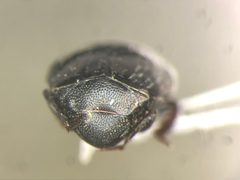
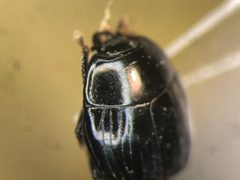
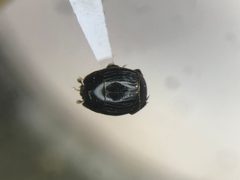
Histerini is a tribe of clown beetles (Histeridae) comprising at least 540 described . Members are primarily associated with decomposing organic matter, particularly , where they function as . The tribe includes such as Hister, Margarinotus, and Atholus. Several species have experienced declines in parts of their range due to agricultural intensification.
Pronunciation
How to pronounce Histerini: //hɪˈstɛrɪnaɪ//
These audio files are automatically generated. While they are not always 100% accurate, they are a good starting point.
Images
Habitat
Primarily associated with and decomposing organic matter; also found in natural forest parks and nature reserves with secondary vegetation, shrubs, and trees on steep slopes and in small valleys.
Distribution
Widespread across multiple biogeographic regions including the Holarctic, Oriental, and Afrotropical regions. Documented from Finland across southern China (Jiangxi, Guangxi, Guangdong provinces).
Behavior
Specimens have been collected using interception traps and pitfall traps, including baited traps with fish meat.
Ecological Role
in ; declines in some have been linked to changes in agricultural ecosystems and traditional husbandry practices.
Human Relevance
Some serve as indicators of quality and change; declines in certain species have been documented in response to agricultural intensification, particularly in Europe.
Sources and further reading
- BugGuide
- Wikipedia
- iNaturalist taxon
- NCBI Taxonomy
- Catalogue of Life
- Abundance and distribution of coprophilous Histerini (Histeridae) and <i>Onthophagus</i> and <i>Aphodius</i> (Scarabaeidae) in Finland (Coleoptera)
- Two new Margarinotus Marseul, 1853 from Jiangxi, Guangxi, and Guangdong provinces (China), with an updated key to all Chinese species (Coleoptera, Histeridae, Histerinae, Histerini).