
Histerinae
Gyllenhal, 1808
clown beetles
Tribe Guides
5- Exosternini(clown beetles)
- Histerini(clown beetles)
- Hololeptini(clown beetles)
- Omalodini(clown beetles)
- Platysomatini(clown beetles)
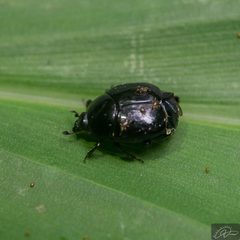
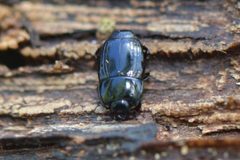
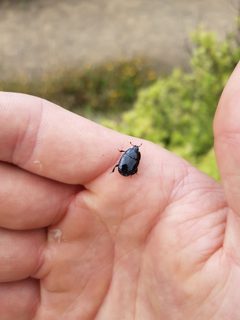
Histerinae is a of clown beetles ( Histeridae) containing over 140 and 2,000 described . Members of this subfamily are found across diverse including , carrion, and decomposing organic matter. The subfamily includes taxonomically significant groups such as the tribe Omalodini and numerous species-rich genera including Phelister, Omalodes, Margarinotus, and Atholus.
Pronunciation
How to pronounce Histerinae: //hɪˈstɛrɪniː//
These audio files are automatically generated. While they are not always 100% accurate, they are a good starting point.
Images
Habitat
Members have been observed in association with (particularly cattle dung), carrion, and cadaveric fauna. Specific associations vary by and .
Distribution
The has a broad distribution including the Americas (from the United States to Argentina), the West Indies, Latin America with some reaching the southern USA, and Asia including China and the Philippines.
Ecological Role
Some members function as cadaveric fauna, associated with decomposition of animal remains. Others have been observed in association with domestic cattle , suggesting roles in nutrient cycling in these environments.
Sources and further reading
- BugGuide
- Wikipedia
- iNaturalist taxon
- NCBI Taxonomy
- Catalogue of Life
- Recognition and revision of the Phelister panamensis group (Histeridae: Histerinae: Exosternini)
- New species of Omalodes and redefinition of the tribe Omalodini (Coleoptera: Histeridae: Histerinae)
- Phelister Marseul, 1854 in Cuba: first West Indies records of Phelister completus Schmidt, 1893, and notes on other Cuban species (Coleoptera, Histeridae, Histerinae)
- Two new Margarinotus Marseul, 1853 from Jiangxi, Guangxi, and Guangdong provinces (China), with an updated key to all Chinese species (Coleoptera, Histeridae, Histerinae, Histerini).
- Revision of the genus Atholus Thomson, 1859 (Coleoptera, Histeridae, Histerinae) from the Philippines with additional records.