
Paromalus
Erichson, 1834
Species Guides
8- Paromalus bistriatus(clown beetle)
- Paromalus complexus(clown beetle)
- Paromalus debilis(clown beetle)
- Paromalus durangoensis(clown beetle)
- Paromalus mancus(clown beetle)
- Paromalus seeversi
- Paromalus seminulum(clown beetle)
- Paromalus teres(clown beetle)
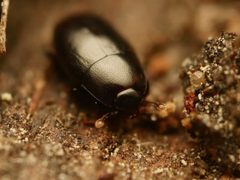
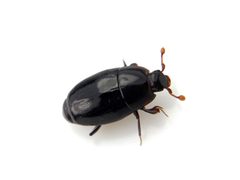
Paromalus is a of clown beetles in the Histeridae, first described by Erichson in 1834. The genus comprises at least 60 described distributed across multiple continents. These beetles are members of the Dendrophilinae and tribe Paromalini. They are small to medium-sized histerid beetles associated with various decaying organic substrates.
Pronunciation
How to pronounce Paromalus: //pəˈroʊmələs//
These audio files are automatically generated. While they are not always 100% accurate, they are a good starting point.
Identification
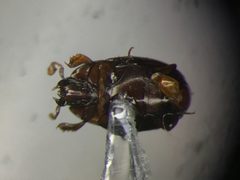
Members of Paromalus can be distinguished from other histerid by a combination of morphological features including the structure of the antennal club, prosternal configuration, and elytral punctuation patterns. -level identification requires examination of male genitalia and fine details of tarsal and antennal structure. The genus is placed in the tribe Paromalini, which is characterized by specific modifications of the meso- and metaventrite.
Images
Habitat
in this are typically found in association with decaying plant matter, fungi, and other decomposing organic materials. They occupy forest floor environments, rotting wood, and similar moist, decay-rich microhabitats. Some species have been recorded in coastal dune systems and other specialized .
Distribution
Records indicate presence in Europe (Denmark, Norway, Sweden), North America (Vermont, United States), with broader distribution likely across temperate regions given the 's ecological preferences. The full geographic range of the genus extends across the Holarctic and potentially into other regions.
Ecological Role
As members of the Histeridae, in this function as or scavengers in decomposer , contributing to nutrient cycling in forest . Their presence in decaying organic matter suggests a role in controlling of other small in these microhabitats.
Similar Taxa
- DendrophilusAlso in tribe Paromalini and Dendrophilinae; distinguished by differences in prosternal structure and antennal club segmentation
- KissisterAnother Paromalini ; separation requires detailed examination of and genitalia
- Other Histerinae generaDifferent ; Paromalus and related Dendrophilinae typically have more elongate body form and different antennal insertion compared to the compact, rounded Histerinae
More Details
Taxonomic History
The was established by Wilhelm Ferdinand Erichson in 1834. It has remained a stable grouping within the Histeridae, though -level continues to be refined.
Species Diversity
With at least 60 described , Paromalus represents a moderately diverse within the Histeridae. Many species remain poorly known biologically.