
Dendrophilinae
Reitter, 1909
clown beetles
Genus Guides
4- Anapleus(clown beetles)
- Bacaniini(Neobacanius)
- Dendrophilus(clown beetles)
- Paromalini(clown beetles)
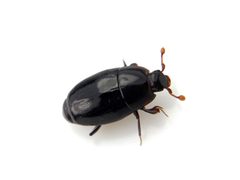
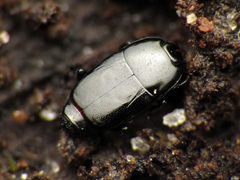
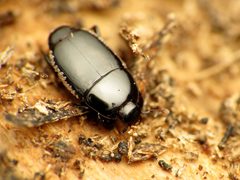
Dendrophilinae is a of clown beetles ( Histeridae) established by Reitter in 1909. It comprises more than 30 and approximately 490 described . Members of this subfamily share the compact, convex body form characteristic of Histeridae but are distinguished by specific morphological traits and ecological associations.
Pronunciation
How to pronounce Dendrophilinae: /dɛnˌdroʊˈfɪlɪnaɪ/
These audio files are automatically generated. While they are not always 100% accurate, they are a good starting point.
Identification
Dendrophilinae can be distinguished from other histerid by specific characters of the , mesosternum, and antennal club structure. The subfamily is characterized by particular configurations of the thoracic that differ from the more familiar Histerinae. Identification to level requires examination of tarsal formula, mandibular structure, and elytral striation patterns. Species-level identification often necessitates dissection of male genitalia.
Images
Habitat
within Dendrophilinae occupy diverse microhabitats including under bark, in rotting wood, in leaf litter, and in association with fungal fruiting bodies. Many show specific associations with decaying plant material and woody substrates, consistent with the name (from Greek dendron, tree, and philos, loving). Some species have been recorded from and nests.
Distribution
The has a worldwide distribution with recorded from all major biogeographic regions. Diversity is particularly high in tropical and subtropical forests. Specific distribution patterns vary considerably among the constituent , with some showing restricted regional distributions and others being more broadly distributed.
Ecological Role
Members of Dendrophilinae function as and scavengers in decomposer . They contribute to nutrient cycling in forest through their activities in decaying wood and leaf litter. Their presence in woody debris and under bark suggests roles in controlling of other small arthropods in these microhabitats.
Human Relevance
Dendrophilinae has limited direct economic importance. The is primarily of interest to coleopterists and ecologists studying forest decomposition processes. Some may serve as indicators of forest health and woody debris dynamics in ecological monitoring programs.
Similar Taxa
- HisterinaeThe nominate of Histeridae; distinguished from Dendrophilinae by differences in prosternal structure, mesosternal configuration, and typically more robust body form. Histerinae are often larger and more frequently associated with carrion and rather than woody substrates.
- AbraeinaeAnother histerid ; Abraeinae are generally smaller with reduced elytral striation and different antennal club structure. They are more commonly associated with decaying organic matter in open rather than specifically with woody substrates.
More Details
Taxonomic history
The was established by Edmund Reitter in 1909. The classification of within Dendrophilinae has undergone revision, with some genera formerly placed here reassigned to other subfamilies based on phylogenetic analyses.
Phylogenetic position
Molecular and morphological studies place Dendrophilinae within the Staphyliniformia, with Histeridae representing one of the major lineages of this diverse . Relationships among the of Histeridae remain active areas of research.