
Abraeinae
MacLeay, 1819
clown beetles (subfamily)
Tribe Guides
3- Abraeini
- Acritini(clown beetles)
- Teretriini(clown beetles)
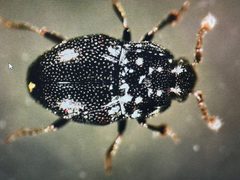
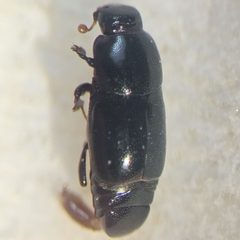
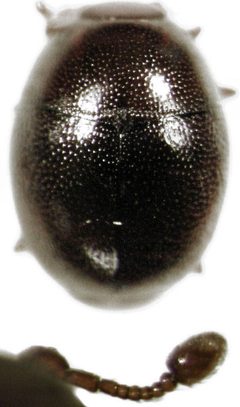
Abraeinae is a of small clown beetles (Histeridae) comprising at least 20 and 440 described . of many species are exceptionally small, measuring less than 2 mm in length. The group exhibits considerable morphological diversity, with body forms ranging from small oval to more elongate shapes. Abraeinae is distinguished from other histerid subfamilies by the absence of a separate basal piece of the .
Pronunciation
How to pronounce Abraeinae: /ˌæbrɪˈaɪnaɪ/
These audio files are automatically generated. While they are not always 100% accurate, they are a good starting point.
Identification
Abraeinae can be distinguished from other Histeridae by the lack of a separate basal piece of the —a key diagnostic character for the group. The subfamily includes the tribe Bacaniini, which shares the small oval body form with Abraeinae proper. Many are among the smallest histerids, with under 2 mm. The subfamily exhibits diverse body forms, though specific external diagnostic features beyond genitalic characters are not well documented in available sources.
Images
Distribution
distribution with recorded across multiple continents. Specific geographic ranges vary by genus; for example, Arizonacritus is restricted to the southwestern United States, Iberacritus to the Iberian Peninsula, and Mascarenium to the Mascarene Islands. The as a whole has been documented in North America, Europe, Africa, Asia, and oceanic islands.
Similar Taxa
- BacaniiniShares the small oval body form with Abraeinae; historically or currently treated as closely related or included within Abraeinae based on
- other Histeridae subfamiliesAbraeinae lacks the separate basal piece of the present in other ; this genitalic character is the primary distinguishing feature