Pyractomena angulata
(Say, 1825)
Say's Firefly, Angle Candled Firefly
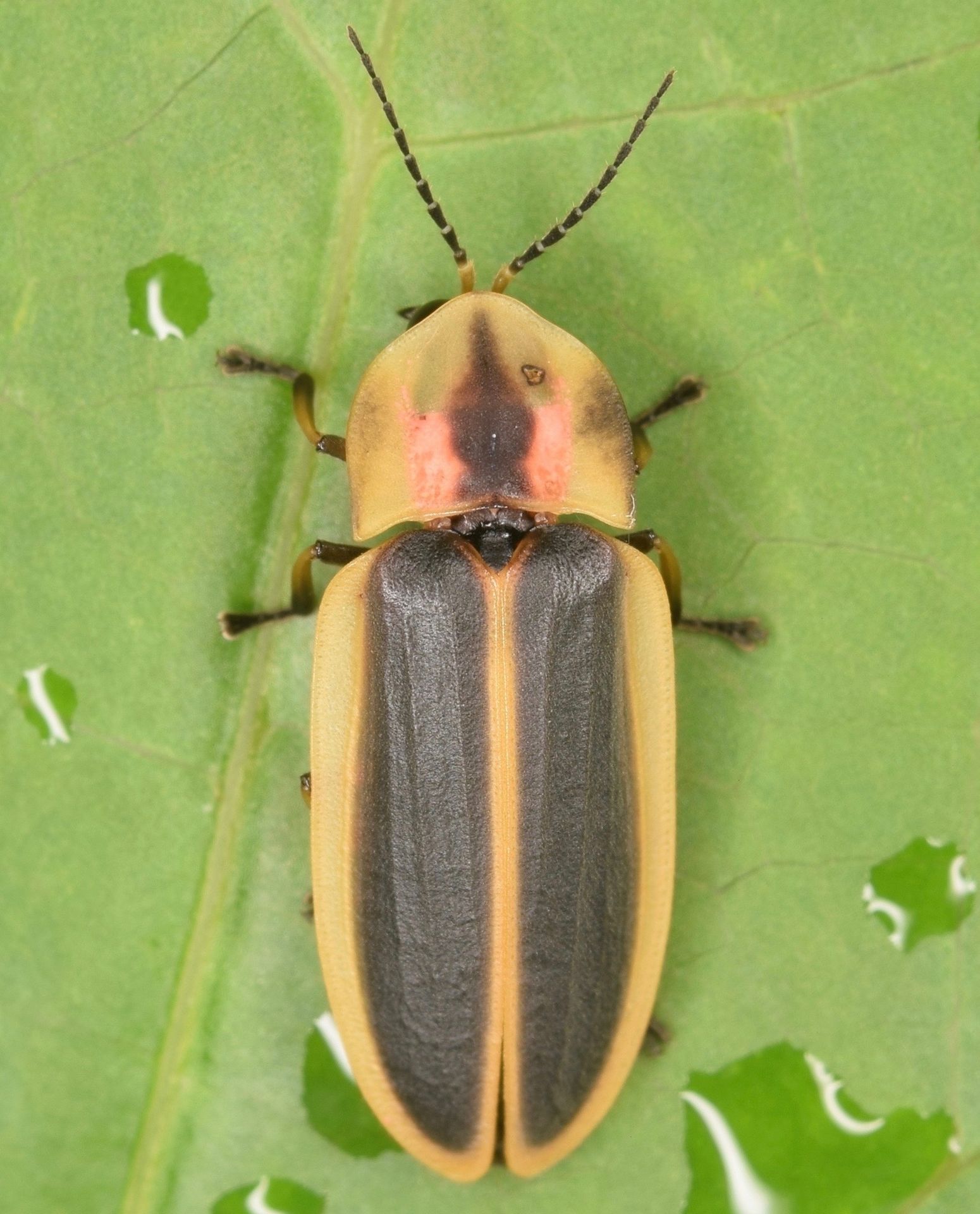
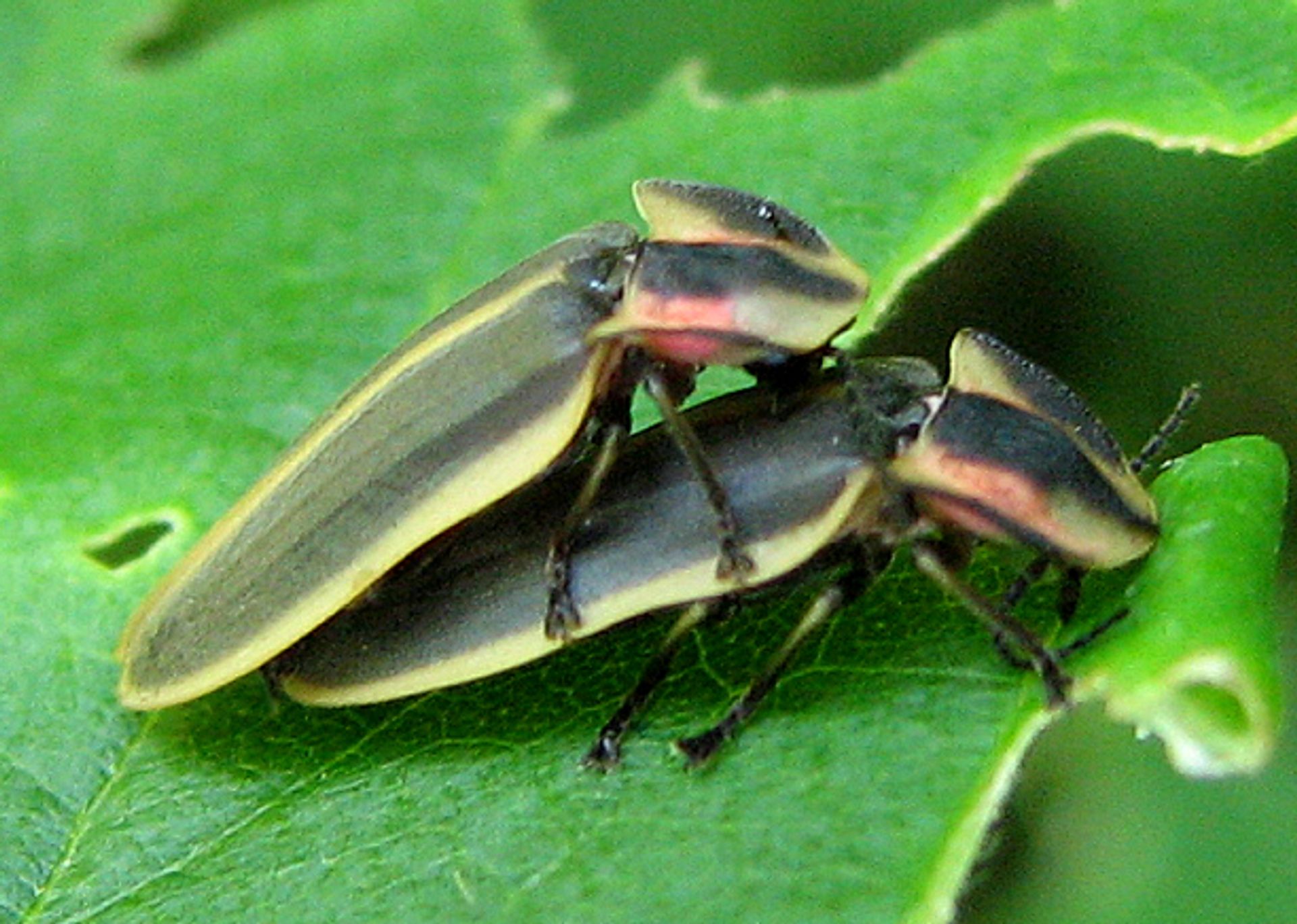
Pyractomena angulata is a firefly in the Lampyridae, native to North America. It is notable as the state insect of Indiana and produces amber-to-orange characteristic of its . are active from May through mid-July and inhabit woodland environments. The species was named in honor of entomologist Thomas Say, who first described it in 1825.
Pronunciation
How to pronounce Pyractomena angulata: //paɪˌræktəˈmiːnə ˌæŋɡjəˈleɪtə//
These audio files are automatically generated. While they are not always 100% accurate, they are a good starting point.
Identification
Distinguished from other firefly by its amber-to-orange , in contrast to the green-yellow flashes typical of Photinus . Within the genus Pyractomena, P. angulata may be recognized by its angular pronotal margins, though precise field identification to species level often requires examination of male genitalia. are medium-sized among North American fireflies.
Images
Habitat
Deciduous and mixed woodlands, particularly in areas with adequate moisture and leaf litter. Associated with forest edge and riparian zones within woodland matrices.
Distribution
North America, with records from the eastern and central United States and adjacent Canada. Specifically documented from Indiana (where it is the state insect) and surrounding regions. GBIF records indicate presence in Middle America and North America.
Seasonality
activity occurs from May through mid-July, with peak varying by latitude and local climate conditions.
Behavior
are and produce bioluminescent signals for mate attraction. The amber-to-orange color of its light distinguishes it from sympatric firefly . Specific flash patterns and timing have not been documented in detail for this species.
Ecological Role
contribute to as prey for birds, bats, and other . Larval is poorly documented but larvae of related Pyractomena are predatory on snails and other soft-bodied in soil and leaf litter.
Human Relevance
Designated as the state insect of Indiana in 2018, making it a symbol of state natural heritage. Subject of citizen science observations and ecological education. No documented economic importance.
Similar Taxa
- Photinus spp.Sympatric fireflies with green-yellow rather than amber-to-orange; flash patterns and preferences also differ
- Pyractomena borealisOverlapping range in eastern North America; distinguished by differences in male genitalia and subtle morphological features of the pronotum
Sources and further reading
- BugGuide
- Wikipedia
- GBIF taxonomy match
- iNaturalist taxon
- NCBI Taxonomy
- Catalogue of Life
- Bembicid Holdings | Entomology Research Museum
- Tortoise beetles on the job | Beetles In The Bush
- Bug Eric: Book Review: Silent Sparks
- Bug Eric: Avoiding Despair in the Age of the “Insect Apocalypse”
- Chrysomelidae | Beetles In The Bush | Page 3
- Argentina | Beetles In The Bush