
Pyractomena
Melsheimer, 1846
fireflies
Species Guides
9- Pyractomena angulata(Say's Firefly)
- Pyractomena borealis(Spring Treetop Flasher)
- Pyractomena dispersa(Marsh Flicker)
- Pyractomena ecostata(Keel-necked firefly)
- Pyractomena linearis(Marsh Gray Firefly)
- Pyractomena lucifera(Marsh imp)
- Pyractomena marginalis(Marginal firefly)
- Pyractomena punctiventris(Texas Hooker Firefly)
- Pyractomena vexillaria
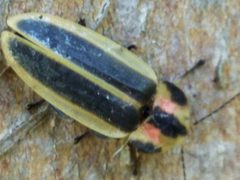
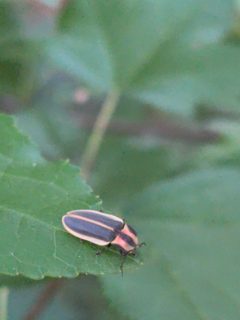
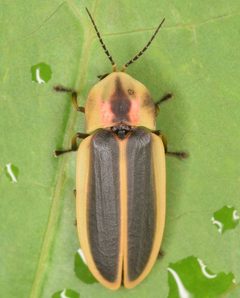
Pyractomena is a of fireflies in the Lampyridae, comprising at least 20 described . These beetles are known for their bioluminescent , with typically active during twilight hours. The genus is part of the diverse Lampyridae family, which has been the subject of increasing scientific attention due to concerns about declines across many firefly .
Pronunciation
How to pronounce Pyractomena: //ˌpaɪˌɹækˈtɒmɪnə//
These audio files are automatically generated. While they are not always 100% accurate, they are a good starting point.
Identification
Pyractomena can be distinguished from other firefly by their characteristic dusk and early evening activity patterns, in contrast to the later activity of many Photinus species. typically display yellowish-orange bioluminescent signals. The genus is classified in the tribe Cratomorphini within the Lampyrinae. Species-level identification requires examination of detailed morphological features including genitalia and precise flash pattern characteristics.
Images
Distribution
Records indicate presence in the United States, including Vermont. The is distributed across North America, though specific range boundaries for individual require further documentation.
Behavior
are active during twilight periods (), displaying bioluminescent courtship signals. Specific flash patterns vary among and serve as pre-mating isolation mechanisms. Larval has been documented in at least one species, Pyractomena lucifera, though details are limited in available sources.
Human Relevance
Pyractomena fireflies contribute to the cultural and ecological value of firefly , which have become a focus of conservation concern. The has been referenced in discussions of firefly population declines attributed to loss, light pollution, and use. Citizen science efforts and focused biological studies, such as those on P. lucifera, aim to improve understanding of these insects.
Similar Taxa
- PhotinusAlso a common North American firefly , but typically active later at night rather than during twilight; flash patterns and timing differ
- PhoturisFemales are known for predatory mimicry of other firefly signals, and the exhibits different activity patterns and morphological features
- PyropygaAnother lampyrid sometimes called 'dark fireflies' due to reduced or absent in , contrasting with the well-developed luminescence of Pyractomena
More Details
Research History
A biological study of Pyractomena lucifera was published in The Florida Entomologist, indicating scientific interest in the of at least one in this . The genus has been included in comprehensive firefly literature such as Sara Lewis's 'Silent Sparks,' though specific coverage of Pyractomena is less extensive than for some other genera.
Conservation Context
Pyractomena , like many fireflies, are potentially affected by the factors driving broader firefly declines: fragmentation, artificial light at night, and applications. Their activity may make them particularly vulnerable to light pollution during the transition between day and night.