
Hemirhipini
Candèze, 1857
Genus Guides
3- Alaus(eyed click beetles)
- Chalcolepidius(click beetles)
- Pherhimius
Hemirhipini is a tribe of click beetles ( Elateridae) within the Agrypninae, established by Candèze in 1857. Members of this tribe are characterized by specific morphological features of the prosternal process and elytral structure that distinguish them from related elaterid groups. The tribe contains multiple distributed across various regions, with substantial observational records indicating ecological diversity.
Pronunciation
How to pronounce Hemirhipini: //ˌhɛ.mɪˈɹɪ.pɪˌni//
These audio files are automatically generated. While they are not always 100% accurate, they are a good starting point.
Identification
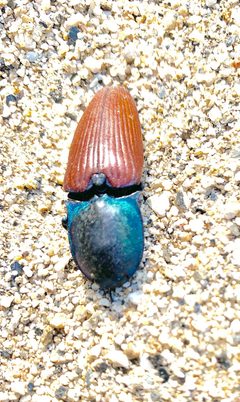
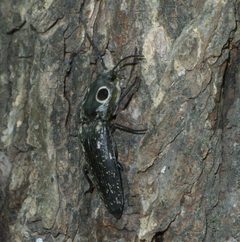
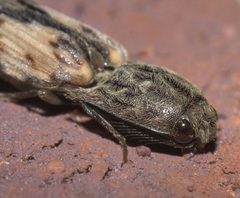
Hemirhipini can be distinguished from other elaterid tribes by the form of the prosternal process, which is typically broad and contiguous with the mesosternum rather than narrow and pointed. The often display distinctive striation patterns and may bear setae or . Antennal structure varies among but generally lacks the extreme serration seen in some related tribes. The overall body form tends to be robust rather than elongate, with the pronotum angles typically not strongly produced.
Images
Distribution
Hemirhipini has been recorded across multiple continents including the Americas, Africa, Asia, and Australia. Specific distribution patterns vary by within the tribe.
Similar Taxa
- AgrypniniAlso placed in Agrypninae; differs in prosternal process structure and typically more elongate body form
- LissominiAnother tribe in Agrypninae; distinguished by different antennal and prosternal characteristics
More Details
Taxonomic History
The tribe was established by Édouard Candèze in 1857 and has undergone various revisions in placement within Elateridae. Current classification places Hemirhipini within the Agrypninae, though tribal boundaries within this subfamily have been subject to ongoing phylogenetic investigation.
Observational Data
iNaturalist records indicate substantial citizen science documentation of this tribe, with over 40,000 observations, suggesting relatively common occurrence and detectability of members in field conditions.