
Cyrtomoptera
Motschulsky, 1860
Species Guides
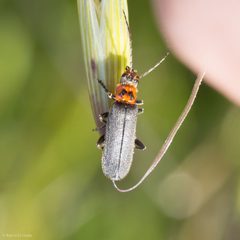
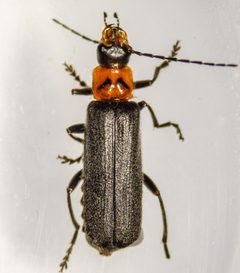
1Cyrtomoptera is a of soldier beetles in the Cantharidae, established by Motschulsky in 1860. The genus contains at least two described : Cyrtomoptera dentata (described 1944) and Cyrtomoptera divisa (described 1851). Members of this genus are part of the diverse soldier beetle fauna of North America.
Pronunciation
How to pronounce Cyrtomoptera: /ˌsɪrtəˈmɒptəra/
These audio files are automatically generated. While they are not always 100% accurate, they are a good starting point.
Identification
Cyrtomoptera can be distinguished from other soldier beetles by examining the structure of the and pronotum. C. divisa shows a divided or split color pattern on the elytra, reflected in its species name. C. dentata possesses toothed or dentate margins on certain body structures, as indicated by its specific epithet. Accurate identification to species level requires examination of genitalic structures and comparison with .
Images
Distribution
Cyrtomoptera are recorded from North America. C. divisa (LeConte, 1851) was described from western North American localities. C. dentata McKey-Fender, 1944 is known from the Pacific Northwest region of the United States.
Similar Taxa
- CantharisSimilar general body plan as soldier beetles, but Cantharis typically have more uniformly colored and different pronotal shapes. Cyrtomoptera species show more distinct elytral patterning.
- PodabrusAnother cantharid with overlapping distribution; Podabrus often have more robust bodies and different antennal proportions that distinguish them from Cyrtomoptera.
More Details
Taxonomic history
The was established by Victor Motschulsky in 1860. The type designation and complete synonymy require further bibliographic verification. The two currently recognized species were described nearly a century apart, suggesting ongoing taxonomic refinement of the group.