
Cultellunguis
McKey-Fender, 1950
Species Guides
5- Cultellunguis americanus
- Cultellunguis hatchi
- Cultellunguis ingenuus(Chaparral Leatherwing Beetle)
- Cultellunguis larvalis
- Cultellunguis perpallens
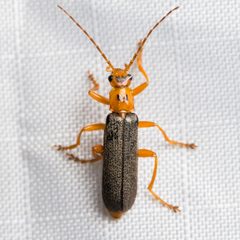
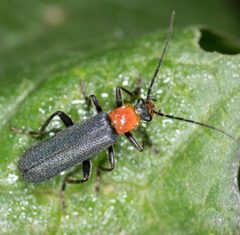
Cultellunguis is a of soldier beetles in the Cantharidae, established by McKey-Fender in 1950. The genus contains approximately nine described distributed in North America. These beetles are part of the diverse Cantharidae family, which is characterized by soft-bodied and larvae that are often predatory or feed on detritus.
Pronunciation
How to pronounce Cultellunguis: /kʌlˈtɛlʊŋɡwɪs/
These audio files are automatically generated. While they are not always 100% accurate, they are a good starting point.
Identification
Members of Cultellunguis can be distinguished from other Cantharidae by the combination of their elongated, parallel-sided body form and specific antennal and pronotal characteristics established in the original generic description. The genus name refers to the knife-like (cultellus) appearance of certain structures. -level identification requires examination of male genitalia and other fine morphological details.
Images
Distribution
North America. have been recorded across the United States and Canada, with specific distributions varying by species. Cultellunguis ingenuus and C. perpallens have been documented from the Pacific Northwest region.
Ecological Role
As members of the soldier beetle Cantharidae, in this likely function as or scavengers in their . Cantharid larvae are typically soil-dwelling and feed on small and organic matter, while often feed on pollen and small insects.
Similar Taxa
- CantharisSimilar elongated body form and coloration, but Cultellunguis have distinctive antennal structure and pronotal shape differences that separate them from this larger and more widespread .
- PodabrusAnother of soldier beetles with superficially similar appearance, but Podabrus generally have different body proportions and antennal characteristics that distinguish them from Cultellunguis.
More Details
Taxonomic history
The was erected by McKey-Fender in 1950 to accommodate several previously placed in other genera, particularly species originally described by LeConte in the mid-to-late 1800s.