
Ambrosiophilus
Hulcr & Cognato, 2009
Species Guides
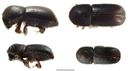
1- Ambrosiophilus atratus(Black Bark Weevil)
Ambrosiophilus is a of ambrosia beetles (Curculionidae: Scolytinae) distinguished by its unique mutualism with the white-rot decay fungus Flavodon ambrosius, a true wood-digesting fungus. Unlike most ambrosia beetles that partner with fungi unable to digest cellulose, Ambrosiophilus cultivate Flavodon, which aggressively degrades lignin and cellulose. This superior nutritional base enables the development of complex semi-social colonies with thousands of individuals, representing one of the largest colony sizes known among ambrosia beetles.
Pronunciation
How to pronounce Ambrosiophilus: //æmˌbroʊziˈɒfɪləs//
These audio files are automatically generated. While they are not always 100% accurate, they are a good starting point.
Identification
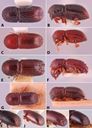
in this can be distinguished from other ambrosia beetles by morphological features including pronotal characteristics; specific identification requires examination of asperities on the pronotum and other detailed morphological traits using illustrated keys. The genus is closely related to Ambrosiodmus, and differentiation between these genera requires careful taxonomic examination.
Images
Habitat
Associated with wood substrates, specifically dead or dying trees where the cultivated fungus Flavodon ambrosius can establish and degrade wood tissues.
Distribution
Native to Asia; at least one (A. atratus) has been introduced to Europe, with first records in Slovenia in 2017. The has been documented in China and is presumably distributed across other parts of Asia.
Diet
and larvae feed on the cultivated fungus Flavodon ambrosius, which the beetles inoculate into wood galleries. The fungus digests wood components (cellulose and lignin) and provides complete nutritional sustenance for the colony.
Behavior
Exhibits true fungus-farming : excavate galleries in wood, inoculate tunnel walls with Flavodon ambrosius spores, and tend the fungal growth. Adults remain in natal galleries to reproduce, creating multi-generational colonies. This sedentary, cooperative breeding system represents a more complex social structure than typical ambrosia beetles, enabled by the superior nutritional quality of their fungal crop.
Ecological Role
Acts as a for Flavodon ambrosius, facilitating the spread of this aggressive white-rot fungus. Through this mutualism, contributes to wood decomposition in forest , though the beetles target freshly dead or dying trees rather than living wood.
Human Relevance
Potential : A. atratus has been documented as non-native in Europe (Slovenia). The introduction of these beetles and their associated fungi may alter local wood decomposition dynamics and forest processes.
Similar Taxa
- AmbrosiodmusClosely related of ambrosia beetles with which Ambrosiophilus shares general and ; distinguished by specific pronotal features and, critically, by the identity of their fungal mutualist—Ambrosiodmus partner with different ambrosia fungi rather than Flavodon ambrosius.
More Details
Unique fungal mutualism
Ambrosiophilus represents a major evolutionary departure from other ambrosia beetles. While most ambrosia beetles cultivate fungi related to plant that scavenge nutrients from dying tissues without digesting wood, Ambrosiophilus partners with Flavodon ambrosius (Polyporales), a bracket fungus relative and superior wood degrader. This mutualism allows true cellulose and lignin digestion, fundamentally expanding the nutritional base and enabling complex social evolution.
Social complexity
The high-quality, renewable food source provided by Flavodon ambrosius allows Ambrosiophilus to develop semi-social colonies with thousands of beetles—among the largest known in ambrosia beetles. can remain in natal galleries and reproduce cooperatively rather than dispersing immediately, a behavioral shift enabled by the nutritional superiority of their fungal crop.
Sources and further reading
- BugGuide
- GBIF taxonomy match
- iNaturalist taxon
- NCBI Taxonomy
- Ambrosiophilus-metanepotulus - Entomology Today
- Ambrosiophilus Archives - Entomology Today
- Beetle Farmers 2.0: A Super-symbiont Fungus Supports a Complex Beetle Society
- The first record of two non-native ambrosia beetles in Slovenia: Ambrosiodmus rubricollis (Eichhoff, 1875) and Ambrosiophilus atratus (Eichhoff, 1875) (Coleoptera: Curculionidae, Scolytinae)