
Hylurgops reticulatus
Wood, 1972
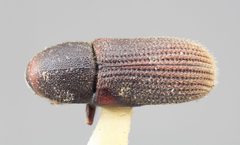
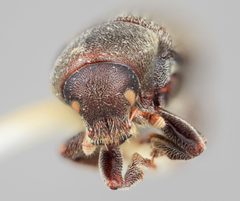
Hylurgops reticulatus is a of weevil in the Curculionidae, described by Wood in 1972. The Hylurgops is associated with coniferous trees, and species in this genus are generally considered bark beetles that feed on phloem tissue. The specific epithet 'reticulatus' suggests a net-like or reticulated surface pattern, though detailed morphological descriptions of this particular species appear limited in published literature.

Pronunciation
How to pronounce Hylurgops reticulatus: /hɪˈlʊrɡɒps rɛtɪkjʊˈlætəs/
These audio files are automatically generated. While they are not always 100% accurate, they are a good starting point.
Identification
As a member of the Hylurgops, this would be expected to share the general body plan of small, cylindrical bark beetles typical of the tribe Hylurgini. The 'reticulatus' implies a distinctive reticulated sculpturing pattern on the or pronotum that may aid in distinguishing it from . Accurate identification likely requires examination of genitalia and other microscopic features.
Images
Distribution
Recorded from Middle America and North America, with specific locality records including British Columbia and Northern Territory in Canada, and Alaska in the United States.
Similar Taxa
- Hylurgops pinifexAnother in the same with which it shares general preferences and ; H. reticulatus may be distinguished by its reticulated surface pattern if present
- Hylurgops longipilisCongeneric bark beetle ; specific diagnostic characters would require detailed morphological comparison
More Details
Taxonomic Note
Authority year varies between sources: Wood 1971 (NCBI) versus Wood 1972 (GBIF, Catalogue of Life). This discrepancy likely reflects publication date versus actual year of description.
Data Limitations
No observations recorded in iNaturalist as of data retrieval. Published biological and ecological information for this specific appears sparse in readily accessible literature.