
Heilus
Kuschel, 1955
Species Guides
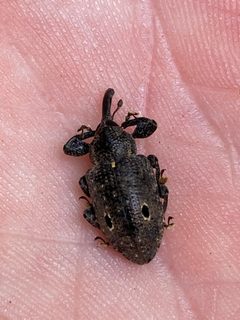
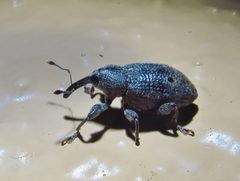
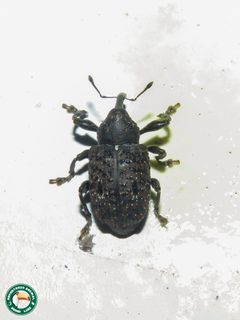
1Heilus is a of weevils (Curculionidae: Molytinae: Molytini) established by Kuschel in 1955. The genus contains fourteen described South American , with eleven species redescribed in a 2020 taxonomic review based primarily on Brazilian specimens. Species identification relies on texture and patterns of maculation. The type species is Heilus inaequalis (Boheman, 1836). Some species are associated with economically important plants, including avocado and cacao.
Pronunciation
How to pronounce Heilus: //ˈhaɪləs//
These audio files are automatically generated. While they are not always 100% accurate, they are a good starting point.
Identification
-level identification within Heilus depends primarily on two characteristics: texture and variation in patterns of maculation (spotting or coloration). Male and female genitalia have been described for eleven species and serve as additional diagnostic features. The is distinguished from related Hylobiina weevils by the combination of these morphological traits, though specific generic-level diagnostic features are not detailed in available sources.
Images
Distribution
South America, with emphasis on Brazil. The fourteen described occur across South American countries including Brazil, Peru, and Bolivia, based on type localities and examined specimens. Brazilian species have been the focus of recent taxonomic study.
Host Associations
- Theobroma cacao - association cited from Bondar (1925, 1936, 1939); may pertain to specific Heilus rather than the as a whole.
- Persea americana - association cited from Reis et al. (2018); Heilus freyreissi specifically reported attacking avocado in Brazil.
- Annona spp. - association cited from Peña & Bennet (1995); may pertain to specific Heilus rather than the as a whole.
- Anacardium occidentale - association cited from Rosado-Neto (1989); may pertain to specific Heilus rather than the as a whole.
- Araucaria angustifolia - association cited from Podkowa & Carvalho (2012); may pertain to specific Heilus rather than the as a whole.
Human Relevance
Some Heilus are associated with economically important crops. Heilus freyreissi has been reported attacking avocado in Brazil and is associated with Colletotricum sp. fungus. Other species have been recorded from cacao, cashew, and sugar apple, suggesting potential or actual pest status for multiple agricultural commodities. The full extent of economic impact across the remains undocumented.
Similar Taxa
- Other Hylobiina weevilsHeilus belongs to the subtribe Hylobiina; differentiation relies on texture and maculation patterns as detailed in the 2020 taxonomic review.
More Details
Taxonomic history
The was established by Kuschel in 1955. A comprehensive taxonomic review in 2020 redescribed eleven of the fourteen South American based on examined specimens, with for the remaining three species based on literature and type material images. An identification key to all fourteen species was provided.
Research gaps
Available literature focuses heavily on and . Biological and ecological data—including definitive associations for most , larval development, and seasonal activity—remain poorly documented and require field-based study.
Sources and further reading
- BugGuide
- GBIF taxonomy match
- iNaturalist taxon
- Catalogue of Life
- First Report ofHeilus freyreissi(Coleoptera: Curculionidae) Attacking Avocado and Associated withColletotricumsp. in Brazil
- A review of the South American species of Heilus Kuschel, 1955 (Curculionidae: Molytinae: Molytini: Hylobiina) with emphasis on those from Brazil