
Emphyastini
Genus Guides
2Emphyastini is a tribe of weevils within the Curculionidae. Members of this tribe are small to minute beetles characterized by specific morphological features of the rostrum and . The tribe is relatively poorly studied compared to other weevil groups, with limited ecological and biological documentation available.
Pronunciation
How to pronounce Emphyastini: /ˌɛmfiˈæstɪnaɪ/
These audio files are automatically generated. While they are not always 100% accurate, they are a good starting point.
Identification
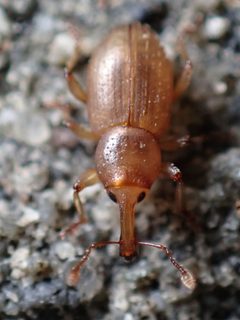
Emphyastini can be distinguished from other weevil tribes by the combination of a short, broad rostrum and geniculate (elbowed) with a compact club. The body form is generally compact and rounded, with relatively short that may leave part of the exposed. Specific diagnostic features require examination of genitalia and detailed mouthpart structure.
Images
Distribution
Records of Emphyastini are sparse and scattered; documented occurrences include parts of North America and Eurasia, with the tribe likely having a broader distribution than currently recorded due to undercollection of small-bodied weevils.
Similar Taxa
- CeutorhynchiniShares compact body form and short rostrum, but Ceutorhynchini generally have longer covering the completely and different antennal club structure.
- CioniniSimilar small size and rounded body, but Cionini possess a more elongate rostrum and different scutellar .
More Details
Taxonomic Status
Emphyastini is a valid tribe within Curculionidae, though its circumscription and relationships to other weevil tribes remain subjects of ongoing research. Some authors have suggested close affinity with the Tychiini or other small-bodied weevil groups.
Collection Bias
The low observation count (46) reflects the small size of these weevils and the specialized collecting methods required to them effectively, rather than true rarity.