
Scaphomorphus
Motschulsky, 1860
Species Guides
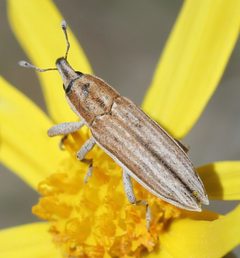
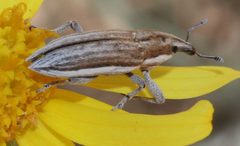
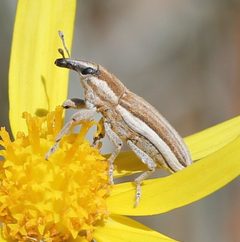
16Scaphomorphus is a of weevils in the Curculionidae, first described by Motschulsky in 1860. The genus contains that appear to be associated with specific plants, particularly legumes. One documented species, Scaphomorphus subcylindricus, has been recorded from Florida where it was found on the plant Lupinis ocalensis (Ocala lupine). The genus is part of the diverse weevil fauna of North America, with records from the southeastern United States.
Pronunciation
How to pronounce Scaphomorphus: /ˌskæfoʊˈmɔrfəs/
These audio files are automatically generated. While they are not always 100% accurate, they are a good starting point.
Identification
Members of this are small, elongate weevils with the characteristic rostrum (snout) typical of Curculionidae. Scaphomorphus subcylindricus exhibits gray and black longitudinal striping on the body. Specific identification features distinguishing Scaphomorphus from similar weevil genera are not well documented in available sources.
Images
Habitat
Associated with dry oak/pine sandhill woodland in Florida, where plants such as Ocala lupine (Lupinis ocalensis) occur. The appears to be linked to specific plant rather than habitats.
Distribution
Documented from Florida, USA, specifically from the Citrus Wildlife Management Area of Withlacoochee State Forest. The likely has a broader distribution in the southeastern United States, but precise range boundaries are not well established.
Seasonality
have been observed in early spring (March) in Florida, suggesting activity during cooler periods of the growing season when plants are in foliage.
Diet
Herbivorous; Scaphomorphus subcylindricus has been observed on foliage of Lupinis ocalensis (Ocala lupine), suggesting oligophagy on this legume.
Host Associations
- Lupinis ocalensis - plantOcala lupine, an Florida legume on which have been observed feeding
Behavior
have been observed as mating pairs on plant foliage. The weevils appear to be relatively sedentary on their host plants, with limited information available on or other activities.
Ecological Role
Likely functions as a herbivore in sandhill , potentially contributing to nutrient cycling through herbivory on leguminous plants. Specific ecological impacts are not documented.
Human Relevance
No documented economic or agricultural significance. The is of interest primarily to entomologists studying weevil diversity and plant associations.