Panscopus
Schoenherr, C.J., 1842
broad-nosed weevils
Species Guides
10- Panscopus abruptus(broad-nosed weevil)
- Panscopus aequalis
- Panscopus alternatus
- Panscopus bufo(broad-nosed weevil)
- Panscopus gemmatus
- Panscopus impressus(broad-nosed weevil)
- Panscopus maculosus
- Panscopus ovalis(broad-nosed weevil)
- Panscopus rugicollis(broad-nosed weevil)
Panscopus is a of broad-nosed weevils in the Curculionidae, containing more than 30 described distributed across North America. Phylogenetic studies indicate that sister species and ancestral lineages exhibit disjunct geographic distributions that correlate with geological and paleoecological events. Divergence events are estimated to have occurred between the late Eocene and Miocene, suggesting the genus originated by or before the Eocene with most cladogenesis in the middle to late Tertiary.
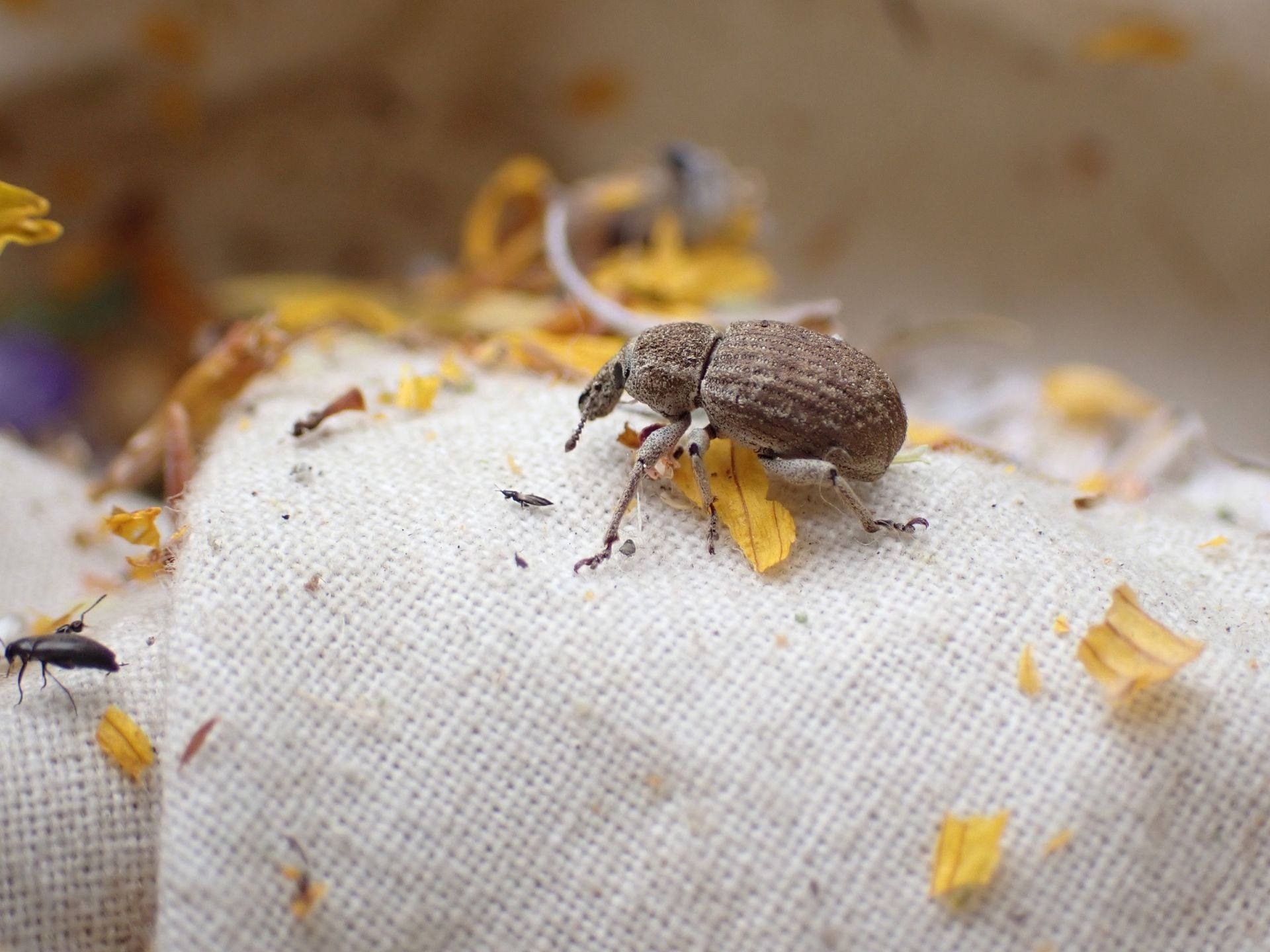
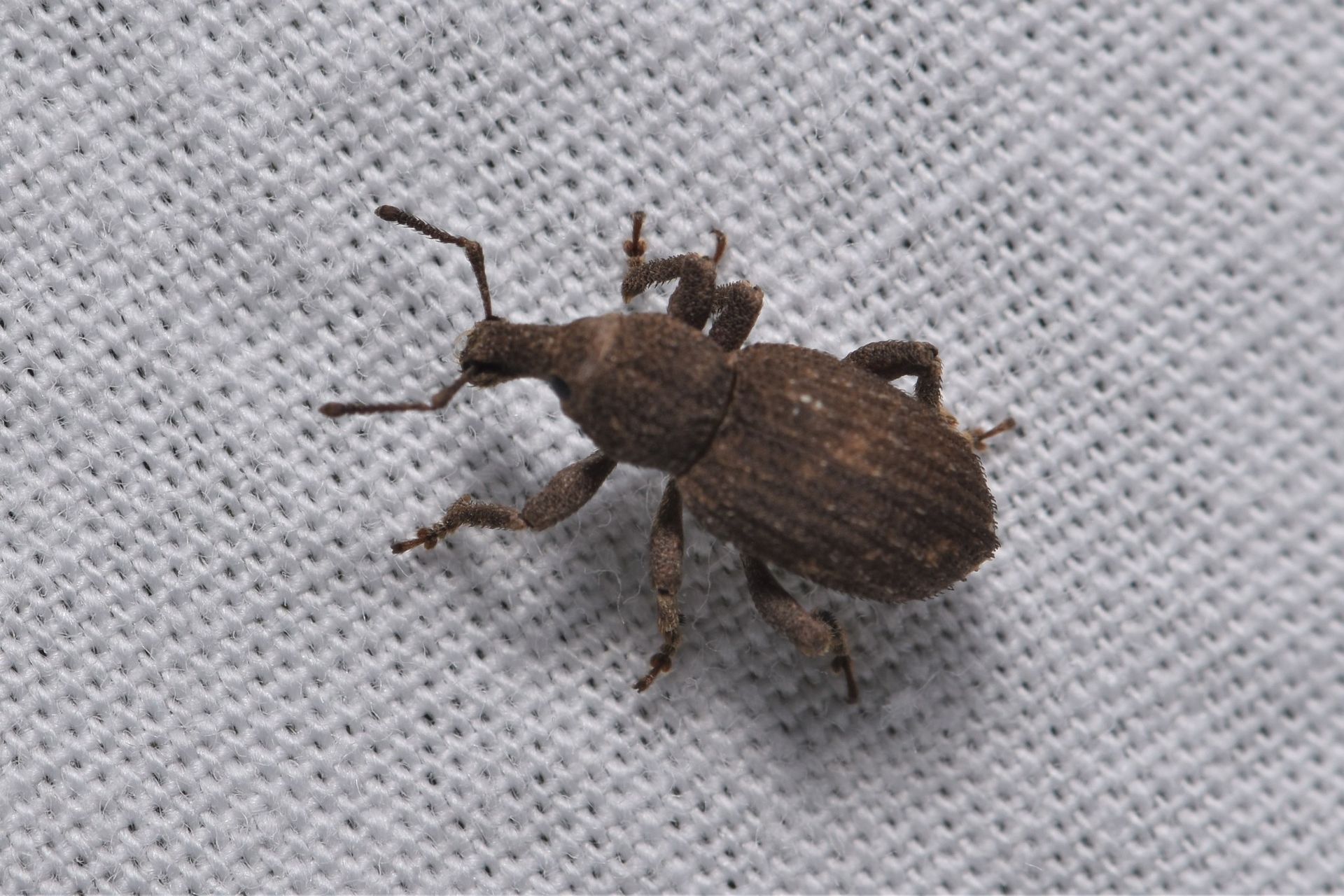
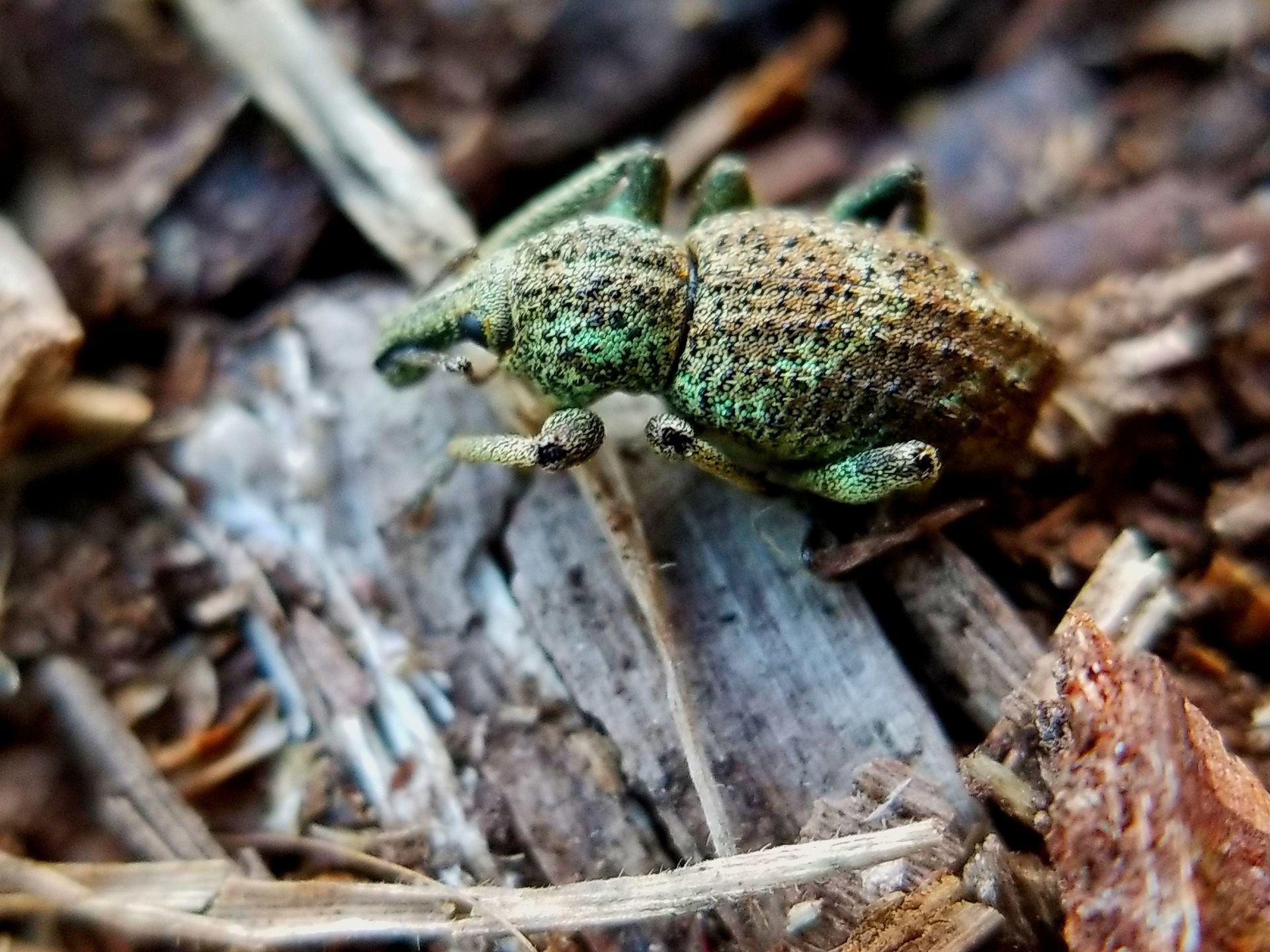
Pronunciation
How to pronounce Panscopus: //ˈpæn.skə.pəs//
These audio files are automatically generated. While they are not always 100% accurate, they are a good starting point.
Images
Distribution
North America, with documented records in Canada and the United States. within the exhibit disjunct geographic distributions between sister .
More Details
Phylogenetic dating
Molecular and biogeographic evidence suggests Panscopus originated during or before the Eocene, with cladogenesis occurring primarily in the middle to late Tertiary. This implies that adelognathous weevils are a much older group than the oldest known Eocene fossils would indicate, likely arising during the Mesozoic.
Biogeographic history
Disjunctions between sister distributions appear to correspond with known vicariance events, including geological and paleoecological changes in North America.