
Polydrusini
Schönherr, 1823
Genus Guides
3- Liophloeus
- Pachyrhinus(Pine Needle Weevils)
- Polydrusus
Polydrusini is a tribe of weevils within the Entiminae, Curculionidae. The tribe contains approximately 14 recognized , including the well-known genus *Polydrusus*. Members of this tribe are broad-nosed weevils, a group characterized by their relatively short, broad rostrum compared to other weevil lineages. The tribe was established by Schönherr in 1823 and has undergone taxonomic revision, with the genus *Polydrusus* receiving particular nomenclatural attention through ICZN Opinion 1179 in 1981.
Pronunciation
How to pronounce Polydrusini: /ˌpɒlɪˈdruːsɪnaɪ/
These audio files are automatically generated. While they are not always 100% accurate, they are a good starting point.
Identification
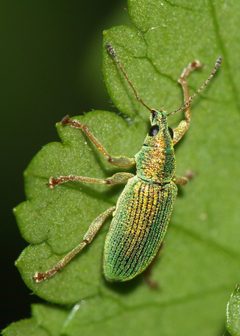
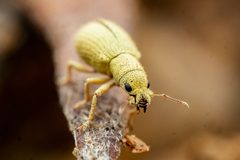
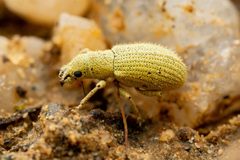
Polydrusini belongs to the broad-nosed weevil group (Entiminae), distinguished from other Curculionidae by a short, broad rostrum that does not extend far between the fore . Within Entiminae, tribal assignment requires examination of tarsal structure, claw , and genitalia characteristics; specific diagnostic features separating Polydrusini from related tribes such as Phyllobiini or Cneorhinini are subtle and require identification. The *Polydrusus* within this tribe is characterized by often bearing metallic green or blue coloration, though this trait does not extend to all genera in the tribe.
Images
Distribution
The tribe has a primarily Palaearctic distribution, with its center of diversity in the western Palaearctic region. Several extend into the Nearctic. The genus *Polydrusus* is widespread across Europe and into Asia. Some included genera have more restricted ranges: *Gobidrusus* occurs in central Asia, and *Rungsythropus* is known from Madagascar.
Similar Taxa
- PhyllobiiniAnother tribe in Entiminae with similar broad-nosed ; historically confused with Polydrusini and distinguished by subtle differences in tarsal structure and male genitalia.
- CneorhininiRelated Entiminae tribe with overlapping distribution and ; separation requires detailed examination of mouthpart and genitalic characters.
More Details
Nomenclatural history
The *Polydrusus* was conserved under its current usage by ICZN Opinion 1179 in 1981, stabilizing for this important genus within the tribe.
Taxonomic composition
The tribe comprises approximately 14 : *Apodrosus*, *Auchmeresthes*, *Bremondiscytropus*, *Cautoderus*, *Gobidrusus*, *Homapterus*, *Liophloeus*, *Pachyrhinus*, *Polydrosodes*, *Polydrusus*, *Pythis*, *Rungsythropus*, *Sciadrusus*, and *Sitonapterus*.