
Omiini
Shuckard, 1840
Genus Guides
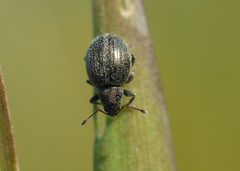
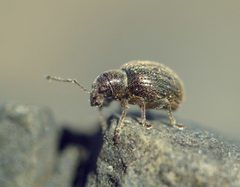
1Omiini is a tribe of broad-nosed weevils within the Entiminae (Curculionidae). The tribe contains approximately 18 recognized , including Omias, Amicromias, and Rhinomias. in this tribe are primarily distributed across the Palearctic region, with notable diversity in the Mediterranean basin, including Greece and surrounding areas. The group has been subject to recent taxonomic revision, with new species descriptions continuing to expand known diversity.
Pronunciation
How to pronounce Omiini: /oʊˈmiːaɪniː/
These audio files are automatically generated. While they are not always 100% accurate, they are a good starting point.
Identification
Omiini weevils can be distinguished from other Entiminae tribes by combinations of rostral and antennal characters, though precise diagnostic features vary by . Members of Amicromias, for example, exhibit characteristic body proportions and male genitalia structures that distinguish them from related genera. Detailed identification requires examination of genitalia and other microsculptural features.
Images
Distribution
Palearctic region, with documented diversity concentrated in the Mediterranean basin, including Greece, and extending into surrounding areas of southern Europe and western Asia.
Similar Taxa
- Other Entiminae tribesOmiini shares the broad-nosed weevil with other tribes in Entiminae; differentiation requires examination of specific rostral, antennal, and genitalic characters.
More Details
Taxonomic History
The tribe was established by Shuckard in 1840. Recent taxonomic work has focused on the Amicromias, with five new described from Greece in 2017 and ongoing refinement of species boundaries.
Genera Composition
Recognized include Asphalmus, Baromiamima, Bryodaemon, Chaerocephalus, Desbrochersella, Elytrodon, Gyratogaster, Hlavena, Humeromima, Leianisorhynchus, Microelytrodon, Omiamima, Omias, Rhinomias, Scoliolenus, Teripelus, Urometopus, and Yunakovius.