
Omias
Germar, 1817
Species Guides
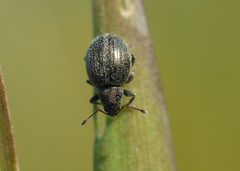
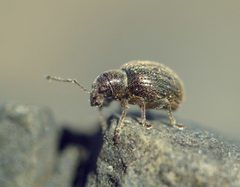
1- Omias saccatus(sagebrush weevil)
Omias is a of broad-nosed weevils (Curculionidae) established by Germar in 1817. The genus comprises more than 50 described , placing it among the more species-rich genera within the tribe Omiini. These weevils belong to the Entiminae, a diverse group of root-feeding weevils characterized by their short, broad rostrum and elbowed . The genus has been documented across 368 iNaturalist observations, indicating moderate levels of citizen science engagement.
Pronunciation
How to pronounce Omias: /ˈoʊ.mi.əs/
These audio files are automatically generated. While they are not always 100% accurate, they are a good starting point.
Identification
Members of Omias can be distinguished from other broad-nosed weevils by their placement within the tribe Omiini. The short, broad rostrum typical of Entiminae separates this from long-snouted weevils in other . -level identification within Omias requires examination of genitalia and other subtle morphological characters.
Images
Distribution
The has been recorded across multiple continents based on iNaturalist observations, though precise geographic boundaries for the genus as a whole remain incompletely documented.
Similar Taxa
- Other Entiminae generaShares the broad-nosed weevil but differs in tribal affiliation (Omiini vs. other tribes), requiring examination of tarsal structure and other tribal characters for separation.
- Long-snouted weevils (other Curculionidae subfamilies)Distinguished by the short, broad rostrum characteristic of Entiminae versus the elongated rostrum found in Curculioninae and most other .
More Details
Taxonomic stability
The has maintained consistent circumscription since its establishment in 1817, with authorship attributed to Germar. It is currently classified as accepted in major taxonomic databases including Catalogue of Life and GBIF.