
Atrichonotus
Buchanan, 1939
Species Guides
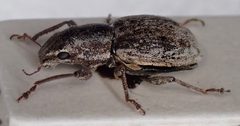
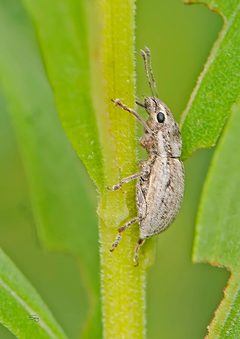
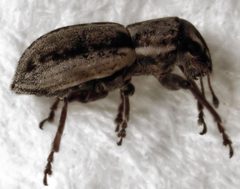
1- Atrichonotus taeniatulus(little fringed weevil)
Atrichonotus is a of broad-nosed weevils ( Curculionidae) comprising nine described . The genus was established by Buchanan in 1939 and is classified within the tribe Naupactini. At least one species, Atrichonotus taeniatulus, has been introduced and established in New Zealand from its native South American range. The genus is part of the diverse Entiminae , commonly known as broad-nosed or root weevils.
Pronunciation
How to pronounce Atrichonotus: /ˌæ.trɪ.kəˈnoʊ.təs/
These audio files are automatically generated. While they are not always 100% accurate, they are a good starting point.
Identification
Members of Atrichonotus can be identified as broad-nosed weevils by the characteristic short, broad rostrum typical of Entiminae. -level identification requires examination of genitalic structures and other detailed morphological features. The is distinguished from related Naupactini genera by specific combinations of rostral, antennal, and tarsal characters established in Buchanan's original description.
Images
Distribution
Native to South America; at least one (Atrichonotus taeniatulus) has been introduced and established in New Zealand. Distribution records from GBIF indicate New Zealand as the primary documented location for observations.
Human Relevance
Atrichonotus taeniatulus, known as the small lucerne weevil, is an agricultural pest of lucerne (alfalfa) and has been introduced to New Zealand where it affects pasture and forage crops.
Similar Taxa
- FloresianusFloresianus sordidus has been historically confused with or discussed alongside Atrichonotus in invasion literature; both are South American weevils established in New Zealand.
- NaupactusNaupactus is a closely related within the same tribe Naupactini, sharing the broad-nosed weevil ; identification requires careful examination of rostral and genitalic characters.
More Details
Taxonomic History
The was erected by Buchanan in 1939 to accommodate previously placed in other genera. The type species is Atrichonotus minimus (Blanchard, 1851).
Invasive Species Documentation
The establishment of Atrichonotus taeniatulus in New Zealand has been documented in entomological literature, representing a case study in South American weevil invasion .