
Artipus
Sahlberg, 1823
broad-nosed weevils
Species Guides
1- Artipus floridanus(little leaf notcher)
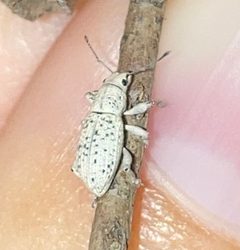
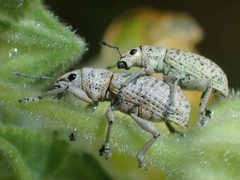
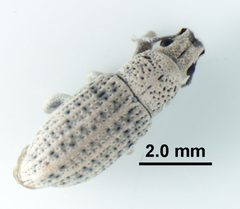
Artipus is a of broad-nosed weevils (Curculionidae) established by Sahlberg in 1823. The genus comprises approximately ten described distributed primarily in the Americas, with the best-documented species being Artipus floridanus, commonly known as the little leaf notcher. Members of this genus are associated with herbaceous feeding habits, with A. floridanus documented as a pest of citrus and various weed in Florida. The genus belongs to the tribe Geonemini within the Entiminae.
Pronunciation
How to pronounce Artipus: /ˈɑr.tɪ.pʊs/
These audio files are automatically generated. While they are not always 100% accurate, they are a good starting point.
Identification
Broad-nosed weevils in this can be distinguished by their characteristic rostrum shape typical of Entiminae, with short, broad snouts rather than the elongated rostrum of other weevil . -level identification requires examination of genitalia and other fine morphological characters; A. floridanus is recognized by its small size and association with citrus foliage damage.
Images
Habitat
Citrus groves and associated weed (documented for A. floridanus in Florida).
Distribution
The occurs in the Americas; A. floridanus is documented in Florida, USA.
Diet
Folivory; A. floridanus feeds on citrus foliage and various weed .
Host Associations
- Citrus - foliage feeding
- various weed hosts - alternative in citrus groves
Human Relevance
A. floridanus is an agricultural pest of citrus in Florida, causing leaf notching damage. The has been studied for laboratory rearing methods to support research.
Similar Taxa
- other Entiminae generasimilar broad-nosed rostrum ; Artipus distinguished by tribal placement in Geonemini and specific genitalic characters
- other citrus-feeding weevilssimilar and use; distinguished by morphological examination and specific damage patterns
Sources and further reading
- BugGuide
- Wikipedia
- GBIF taxonomy match
- iNaturalist taxon
- NCBI Taxonomy
- Catalogue of Life
- Florida Host Plants of Artipus floridanus (Coleoptera: Curculionidae)
- Sampling and Distribution of Artipus floridanus Horn (Coleoptera: Curculionidae) on Citrus and Weed Hosts
- Laboratory Rearing and Some Aspects of the Biology of Artipus floridanus Horn (Coleoptera: Curculionidae)
- Errata: Laboratory Rearing and Some Aspects of the Biology of Artipus floridanus Horn (Coleoptera: Curcurlionidae)
- Oestrophasia Cenosoma sabroskyi Diptera: Tachinidae, a Parasitoid of Artipus floridanus Coleoptera: Curculionidae: Taxonomy and Bionomics