
Geonemini
Gistel, 1856
Genus Guides
11Geonemini is a tribe of broad-nosed weevils within the Entiminae, first established by Gistel in 1856. The tribe comprises approximately 40 distributed across multiple continents, with particularly diverse representation in the Caribbean, Central America, and parts of North America. Some members have been documented as agricultural pests, notably of Epicaerus associated with cultivated crops.
Pronunciation
How to pronounce Geonemini: //dʒiːəˈnɛmɪnaɪ//
These audio files are automatically generated. While they are not always 100% accurate, they are a good starting point.
Identification
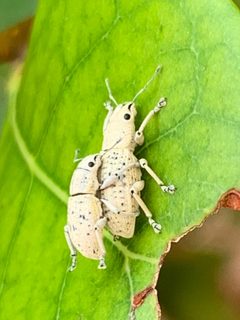
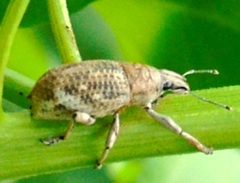
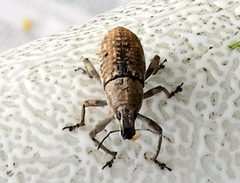
Members of Geonemini are broad-nosed weevils (Entiminae), characterized by the typical entimine rostrum that is short and broad rather than elongated. Distinguishing Geonemini from other Entiminae tribes requires examination of specific morphological characters, including details of the mandibular structure and tarsal claws. The tribe is distinguished from the closely related Eustylini and other Caribbean Entiminae tribes by subtle differences in the male genitalia and body proportions.
Images
Habitat
vary considerably across the tribe's geographic range. Caribbean and Central American occur in tropical and subtropical forest , including island habitats from sea level to montane regions. North American genera occupy diverse environments including southwestern deserts, eastern deciduous forests, and western montane areas. Some have colonized agricultural landscapes, with Epicaerus panamensis documented in highland potato zones in Panama.
Distribution
The tribe exhibits a disjunct global distribution. Primary centers of diversity include: the Caribbean region (Cuba, Hispaniola, Jamaica, Puerto Rico, and smaller islands); Central America (Mexico through Panama); the southeastern and southwestern United States; Europe (Mediterranean region including southern France, Spain, and North Africa); sub-Saharan Africa (Angola, Botswana, Tanzania, Zaire); and the southwestern Pacific (New Zealand, New Caledonia, Australia). Several contain introduced in North America (Barynotus, Artipus). Fossil records from the Oligocene and Miocene of North America indicate long evolutionary presence in the region.
Diet
Herbivory is documented in some ; Epicaerus panamensis feeds on potato leaves. Broader dietary patterns for the tribe remain insufficiently documented.
Host Associations
- Solanum tuberosum - herbivoreEpicaerus panamensis associated with potato cultivars, causing foliar damage
Life Cycle
Developmental is poorly documented at the tribal level. As members of Entiminae, larvae are likely soil-dwelling root feeders, though this has been confirmed only for select .
Behavior
Ecological Role
Some members function as agricultural pests in cultivated systems. The broader ecological role in native remains largely unstudied, though as herbivorous weevils they likely contribute to nutrient cycling and plant .
Human Relevance
Similar Taxa
- EustyliniAnother Caribbean-centered tribe of Entiminae; distinguished from Geonemini by subtle morphological differences in male genitalia and body proportions
- PeriteliniEuropean-centered tribe of Entiminae with overlapping distribution in Mediterranean region; distinguished by differences in mandibular and tarsal characters
More Details
Fossil Record
The tribe is represented in the fossil record by Tenillus from the Oligocene of North America, and by Artipus, Epicaerus, Lachnopus, Omileus, and Trigonoscuta from the Miocene of North America. These records indicate long-standing presence in the region and historical biogeographic connections.
Taxonomic History
First named by Gistel in 1856. The Compsonomus Jekel, 1875 was synonymized with Eugeonemus Buchanan, 1947, representing one of the few documented taxonomic revisions within the tribe.
Research Gaps
Biological and ecological information is heavily skewed toward a few economically relevant . The majority of the 40 lack basic documentation of , associations, or requirements.