
Eudiagogus
Schoenherr, 1840
Sesbania clown weevils, Clown Weevils
Species Guides
3- Eudiagogus maryae
- Eudiagogus pulcher(Beautiful Clown Weevil)
- Eudiagogus rosenschoeldi(Speckled Clown Weevil)
Eudiagogus is a of weevils in the Curculionidae, commonly known as sesbania clown weevils. The genus comprises approximately five described , including the distinctive Eudiagogus pulcher, known as the beautiful clown weevil. These weevils are associated with plants of the genus Sesbania, which serve as their primary food source.
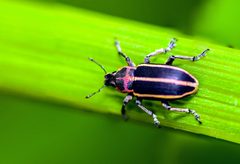
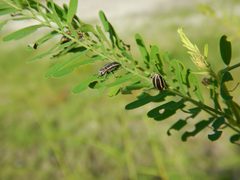
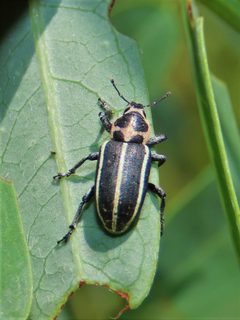
Pronunciation
How to pronounce Eudiagogus: //juː.diˈæ.ɡoʊ.ɡəs//
These audio files are automatically generated. While they are not always 100% accurate, they are a good starting point.
Identification
Members of Eudiagogus can be recognized by their association with the tribe Eudiagogini within the Entiminae. The is distinguished from related weevil genera by a combination of morphological features consistent with the tribe, though specific diagnostic characters require examination of rostral and antennal structure. Eudiagogus pulcher is notably marked and has been described as the "beautiful clown weevil."
Images
Habitat
are closely tied to the presence of plants in the Sesbania, which are typically found in riparian zones, wetlands, and disturbed areas. have been observed in association with these plants in various Neotropical environments.
Distribution
Records indicate presence in Argentina (AR), Bolivia (BO), and Brazil (BR). The is distributed within the Neotropical region.
Diet
and larvae feed on plants in the Sesbania (Fabaceae).
Host Associations
- Sesbania - food plantPrimary for both feeding and larval development
Ecological Role
As herbivores specialized on Sesbania, these weevils may influence the of their plants. Their feeding activity has been noted in contexts where Sesbania are considered or weedy.
Human Relevance
The association with Sesbania , some of which are weeds or cultivated for forage and green manure, suggests potential relevance for or agricultural management, though specific applications are not well documented.
Similar Taxa
- Other Entiminae weevilsBroad-nosed weevils in the Entiminae share general body plan; Eudiagogus is distinguished by tribal placement in Eudiagogini and specific association with Sesbania
More Details
Etymology
The "clown weevils" refers to the colorful or striking appearance of some , particularly Eudiagogus pulcher.
Species diversity
Six are currently recognized: E. episcopalis, E. maryae, E. pallidevittatus, E. pulcher, E. rosenschoeldi, and E. stenosoma.