
Eudiagogini
LeConte, 1874
Genus Guides
3- Aracanthus
- Colecerus(broad-nosed weevils)
- Eudiagogus(Sesbania clown weevils)
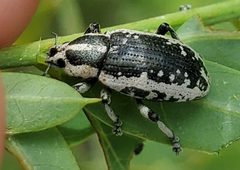
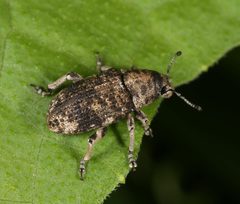
Eudiagogini is a tribe of broad-nosed weevils (Curculionidae: Entiminae) comprising approximately 98 extant in 10 , with highest diversity in the Neotropics. The tribe is characterized by distinctive morphological synapomorphies including a cavernous prementum and a metaventrite bearing a spine-like swelling to each metacoxa. Phylogenetic analyses based on and molecular data (COI and ribosomal markers) confirm the monophyly of Eudiagogini, though the genus Chileudius has been excluded and placed as incertae sedis within Entiminae. The tribe has a fossil record in Eocene European amber, indicating a broader historical distribution.
Pronunciation
How to pronounce Eudiagogini: /ˌjuːdiːˌæɡoʊˈdʒaɪniː/
These audio files are automatically generated. While they are not always 100% accurate, they are a good starting point.
Identification
Diagnostic features for Eudiagogini include: cavernous prementum (a hollowed or deeply concave premental structure); metaventrite with spine-like swelling positioned to each metacoxa. The Eudius within this tribe is distinguished by basally connate tarsal claws and the presence of in the bursa copulatrix of female genitalia.
Images
Habitat
Primarily associated with Neotropical forest , including the Brazilian Atlantic Forest biome, a biodiversity hotspot characterized by high humidity and complex vegetation structure.
Distribution
Native to the Americas with highest diversity in the Neotropics; present in Brazil (Bahía, Espírito Santo, Minas Gerais, Rio de Janeiro, São Paulo, Santa Catarina, Paraná). Fossil evidence indicates historical presence in Eocene Europe.
Similar Taxa
- AnypotactiniBoth are broad-nosed weevil tribes in Entiminae with American distributions and Eocene European fossil records; distinguished by different morphological characters and premental structure.
- Chileudius (genus)Formerly placed in Eudiagogini but now excluded based on phylogenetic analyses; lacks the cavernous prementum and metaventrite spine characteristic of true Eudiagogini.
Sources and further reading
- BugGuide
- Wikipedia
- iNaturalist taxon
- NCBI Taxonomy
- Catalogue of Life
- Taxonomic Revision of the South American Genus Eudius and First Insights into the Phylogeny of the Tribe Eudiagogini (Curculionidae: Entiminae)
- The American Tribes Anypotactini and Eudiagogini (Coleoptera, Curculionidae) in Eocene of Europe as Indicators of Eocene Climate with Description a New Species