
Lignyodes
Dejean, 1835
Ash Seed Weevils
Species Guides
13- Lignyodes adamanteus(ash seed weevil)
- Lignyodes arizonensis
- Lignyodes auratus(leguminous seed weevil)
- Lignyodes autumnalis(fall forestiera weevil)
- Lignyodes baboquivariensis
- Lignyodes bischoffi(Chevron Ash Weevil)
- Lignyodes fraxini
- Lignyodes helvolus(Tawny Ash Weevil)
- Lignyodes horridulus(Rough Ash Seed Weevil)
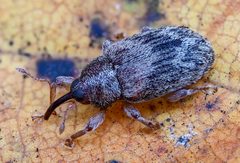
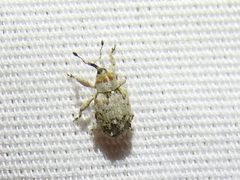
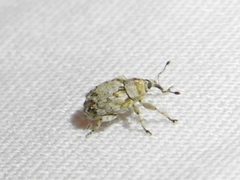
Lignyodes is a of weevils in the Curculionidae, commonly known as ash seed weevils. The genus contains more than 30 described . Members of this genus are associated with ash trees (Fraxinus spp., Oleaceae) as plants. The genus was established by Dejean in 1835.
Pronunciation
How to pronounce Lignyodes: /lɪɡˈnaɪ.əˌdiːz/
These audio files are automatically generated. While they are not always 100% accurate, they are a good starting point.
Identification
Members of Lignyodes can be distinguished from other Tychiini by their association with ash seeds. As with other Curculionidae, possess a characteristic elongated rostrum (snout) with mouthparts at the tip. Specific identification to level requires detailed examination of genitalia and other morphological features.
Images
Habitat
Associated with ash trees (Fraxinus spp.) in various environments where these plants occur. include riparian zones, woodlands, and urban areas where ash are present.
Distribution
Records exist from Europe, Asia (including Israel), and North America. The has a broad distribution coinciding with the range of ash .
Diet
Larvae develop within ash seeds (samarae), feeding on the seed contents. feeding habits are not well documented.
Host Associations
- Fraxinus - primary plant of ash trees; multiple used across the range of Lignyodes
- Fraxinus syriaca - plantdocumented for L. enucleator in Israel; first record for this
Life Cycle
Larvae develop inside ash seeds. emerge and are associated with ash trees during the seed-bearing period.
Behavior
are associated with ash seeds, likely ovipositing into developing seeds. Larval development occurs within the seed, with mature larvae presumably exiting to pupate in soil or leaf litter.
Ecological Role
Seed of ash trees; may influence ash reproductive success and through seed destruction.
Human Relevance
May be of interest in contexts for ash , or as indicators of ash tree health. No significant economic impact documented.
Similar Taxa
- Other Tychiini generaSimilar body form and seed-feeding habits, but differ in plant associations; Lignyodes is specifically associated with Fraxinus
- Other Curculionidae seed weevilsSimilar larval habit of developing in seeds, but differ in plant specificity and morphological details of the rostrum and genitalia
More Details
Taxonomic history
The was described by Dejean in 1835. -level remains active, with more than 30 species currently recognized.
Host specificity
While the is broadly associated with Fraxinus, individual may show varying degrees of specificity. The first host record for L. enucleator was only documented in 2016 from Israel.