
Otidocephalini
antlike weevils
Genus Guides
3- Micromyrmex
- Myrmex(snout and bark beetles)
- Oopterinus(antlike weevils)
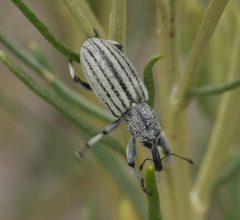
Otidocephalini is a tribe of antlike weevils in the Curculionidae, characterized by morphological adaptations resembling ants. The tribe comprises at least 6 including Laemomerus, Micromyrmex, Myrmex, Oopterinus, Otidocephalus, and Ptinopsis. Members occur in North and South America, with notable diversity in the Amazon and Atlantic Forest regions. Formerly classified as a (Otidocephalinae), the group now holds tribal rank within Curculionidae.


Pronunciation
How to pronounce Otidocephalini: /oʊˌtaɪdoʊsɪˈfælɪˌnaɪ/
These audio files are automatically generated. While they are not always 100% accurate, they are a good starting point.
Identification
Antlike weevils in this tribe exhibit morphological convergence with ants, including compact body form and modified appendages. Distinctive features include a short, broad rostrum and body proportions that mimic Formicidae. within Otidocephalini are distinguished primarily by genitalic characters, particularly . Punctation patterns on abdominal ventrites serve as diagnostic characters for -level identification.
Images
Habitat
Tropical and subtropical forest , primarily in the Amazon Forest and Atlantic Forest of Brazil. Collections span from lowland Amazonian localities to higher elevation sites in Central Brazil.
Distribution
North and South America. South American records include Brazil (Amazonas, Itacoatiara, Rio Grande do Norte, Pernambuco, Bahia, Paraná, Mato Grosso, Goiás), Peru (Huanuco), and Panama.
Similar Taxa
- other Curculionidae tribesAntlike converges with unrelated myrmecophilous beetles; Otidocephalini distinguished by weevil-specific mouthpart arrangement with mandibular apex visible in lateral view
- Formicidae (ants)Mimicry creates superficial resemblance; weevils possess , geniculate with club, and characteristic rostrum absent in ants