
Rhinusa linariae
(Panzer, 1795)
root-gall weevil
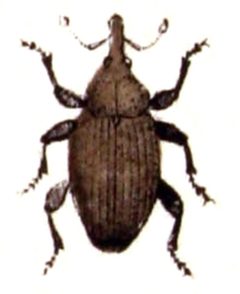
Rhinusa linariae is a of true weevil in the Curculionidae, commonly known as the root-gall weevil. It was originally described by Panzer in 1795 and belongs to a three-species species group within Rhinusa that also includes R. brisouti and R. kumatschevi. The species is part of a taxonomically revised group of Rhinusa weevils that have been subject to recent morphological study and species delimitation.

Pronunciation
How to pronounce Rhinusa linariae: /rɪˈnuːsə lɪˈnɛəri.iː/
These audio files are automatically generated. While they are not always 100% accurate, they are a good starting point.
Identification
Distinguished from other Rhinusa by morphological features of the rostrum and genitalia; precise diagnostic characters require examination of the and rostral structure. Belongs to the R. linariae species group, which can be separated from the R. herbarum, R. melas, and R. mauritii groups using the key provided in Caldara and Toševski (2019).
Images
Distribution
Recorded from Belgium and British Columbia, Canada. Full distribution likely broader but requires consultation of the complete taxonomic revision for comprehensive range documentation.
Similar Taxa
- Rhinusa brisoutiBelongs to the same R. linariae group; distinguished by morphological differences in rostrum and genitalia
- Rhinusa kumatscheviThird member of the R. linariae group; requires detailed examination of male genitalia and rostral characters for separation
More Details
Taxonomic History
Originally described by Panzer in 1795. The was revised as part of a comprehensive taxonomic treatment of four Rhinusa species groups by Caldara and Toševski (2019) in Zootaxa, which designated lectotypes and provided redescriptions.