
Camarotini
Genus Guides
1Camarotini is a tribe of weevils within the Curculionidae, Curculioninae. Members of this tribe are characterized by their association with palms (Arecaceae), with larvae typically developing in palm tissues. The tribe contains several of economic importance due to their impact on coconut and other palm crops.
Pronunciation
How to pronounce Camarotini: //ˌkæm.əˈroʊ.tɪ.naɪ//
These audio files are automatically generated. While they are not always 100% accurate, they are a good starting point.
Identification
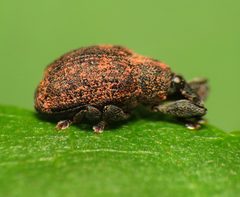
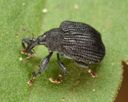
Camarotini weevils can be distinguished from other curculionine tribes by their elongate, cylindrical body form and association with palm . They possess the characteristic rostrum of Curculionidae, with that are usually geniculate (elbowed) and clubbed. Specific identification to tribe level requires examination of tarsal structure and other internal characters.
Images
Habitat
Tropical and subtropical regions where palms (Arecaceae) grow; larvae develop within palm tissues including stems, fronds, and fruits.
Distribution
Pantropical distribution, occurring in regions with native or cultivated palms including Southeast Asia, Pacific Islands, Africa, and the Americas.
Diet
Larvae feed internally on palm tissues; may feed on palm foliage or other plant material.
Host Associations
- Arecaceae - primary Larval development occurs within palm tissues; multiple palm are utilized including coconut (Cocos nucifera)
Life Cycle
Complete with , larva, pupa, and stages. Eggs are laid in palm tissues; larvae tunnel through stems, fronds, or fruits, causing internal damage; occurs within the plant.
Behavior
Larvae are internal borers in palm tissues, creating tunnels that can weaken or kill plants. are generally or cryptic.
Ecological Role
As specialized herbivores of palms, they influence palm and can function as significant mortality agents. Some are considered pests outside their native ranges.
Human Relevance
Several are major agricultural pests, particularly of coconut and oil palm. The coconut hispine (Brontispa longissima) and related species cause significant economic damage to palm plantations. Management includes and chemical treatments.
Similar Taxa
- DerelominiAnother tribe in Curculioninae associated with palms; Derelomini are generally smaller and associated with palm flowers and fruits rather than vegetative tissues
- AcalyptiniTribe in Curculioninae with superficially similar body form; differs in associations and tarsal structure
More Details
Economic importance
The tribe includes some of the most damaging pests of coconut palms globally. Brontispa longissima, the coconut hispine , has caused extensive damage across Southeast Asia and the Pacific, leading to international regulations and programs.