
Acanthoscelidius
Hustache, A., 1930
minute seed weevils
Species Guides
5- Acanthoscelidius acephalus
- Acanthoscelidius curtus(minute seed weevil)
- Acanthoscelidius guttatus(minute seed weevil)
- Acanthoscelidius mendicus(minute seed weevil)
- Acanthoscelidius utahensis
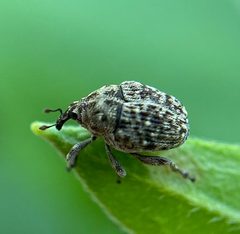
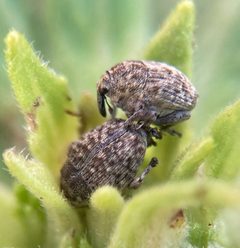
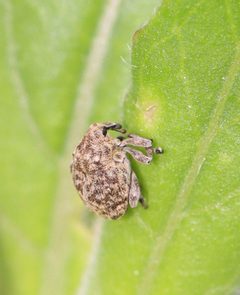
Acanthoscelidius is a of minute seed weevils in the Curculionidae, established by Hustache in 1930. The genus contains approximately 14 described . Members are small beetles associated with seed feeding, though specific ecological details for most species remain poorly documented.
Pronunciation
How to pronounce Acanthoscelidius: /əˌkænθoʊˈsɛlɪdiəs/
These audio files are automatically generated. While they are not always 100% accurate, they are a good starting point.
Identification
Distinguishing Acanthoscelidius from other minute seed weevil requires examination of rostral and genital characters; identification to level typically demands dissection and comparison with . The genus is characterized by features of the rostrum and as defined by Hustache, though published diagnostic keys are limited.
Images
Distribution
of Acanthoscelidius have been recorded from the Nearctic region, with observations concentrated in North America. Specific range data for individual species is sparse in available literature.
Diet
As seed weevils, members of this are presumed to feed on seeds, though specific plants have been documented for only a few . The reflects this presumed feeding habit.
Similar Taxa
- TychiusAnother of minute seed weevils in Curculionidae; separation requires detailed examination of rostral proportions and antennal insertion characters
- SibiniaOverlaps in size and general habitus; distinguished by differences in rostral and male genitalia
More Details
Taxonomic history
The was established by French entomologist André Hustache in 1930. The authorship is sometimes cited as 'A. Hustache, 1930' or simply 'Hustache, 1930'.
Species diversity
Approximately 14 are currently recognized, though this number may be subject to revision as the has received limited modern taxonomic study.