
Glocianus
Reitter, 1916
minute seed weevils
Species Guides
1- Glocianus punctiger(Punctate Minute Seed Weevil)
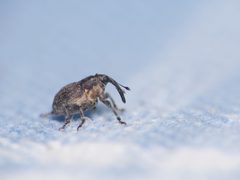
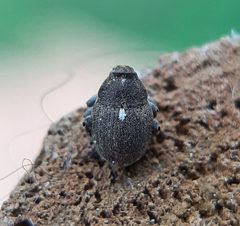
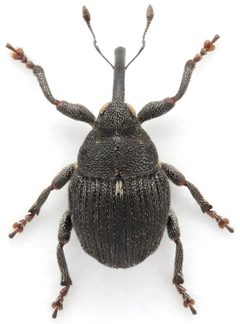
Glocianus is a of minute seed weevils (Curculionidae) comprising approximately 15 described . The genus is primarily known through detailed study of G. punctiger, a herbivore associated with dandelion (Taraxacum officinale). Larvae develop within dandelion inflorescences, feeding first as internal stalk borers then as seed in flowerheads before pupating underground. The genus serves as a model system for studying tritrophic interactions and urban dynamics.
Pronunciation
How to pronounce Glocianus: /ˈɡloʊ.si.ə.nəs/
These audio files are automatically generated. While they are not always 100% accurate, they are a good starting point.
Identification
Small weevils with typical curculionid including an elongated rostrum. Minute seed weevils in this require close examination for -level identification; G. punctiger specifically develops in dandelion flowerheads.
Images
Habitat
Grasslands and urban green spaces supporting dandelion (Taraxacum officinale) . Larval development occurs within dandelion flowering stems and seed .
Distribution
Europe: recorded from Denmark, Norway, Sweden; G. punctiger specifically documented in Kyiv, Ukraine.
Seasonality
activity in spring coinciding with dandelion flowering; larval development in maturing capitula through late May; underground with following spring.
Diet
Seed of dandelion (Taraxacum officinale); larvae feed internally on flower stalks and consume developing seeds in flowerheads.
Host Associations
- Taraxacum officinale - plantlarval development occurs within flowering stems and seed
- Entedon costalis - -larval of G. punctiger; rates around 25% in studied
Life Cycle
deposited in dandelion tissue; larva hatches and bores internally into flower stalk, later feeding on seeds within the capitulum; mature larva exits flowerhead and pupates underground in earthen ; emerges following spring.
Behavior
Larvae are internal feeders, concealed within plant tissue until mature; occurs underground coincident with dandelion seed .
Ecological Role
seed of dandelion; for including Entedon costalis; component of tritrophic systems used to assess fragmentation effects in urban environments.
Human Relevance
Used as a biological indicator in urban studies; affected by grassland mowing regimes and anthropogenic barriers.
Sources and further reading
- BugGuide
- Wikipedia
- GBIF taxonomy match
- iNaturalist taxon
- NCBI Taxonomy
- Catalogue of Life
- Parasitism of Entedon costalis (Hymenoptera: Eulophidae) in Glocianus punctiger (Coleoptera: Curculionidae): an example of intentional discovery of the parasitoid-host association
- Tritrophic association on dandelion in a European capital city: a pilot quantitative study on the herbivore weevil Glocianus punctiger and its parasitoid wasp Entedon costalis