Eurhinus
Illiger, 1808
Species Guides
1- Eurhinus magnificus(Jewel Weevil)
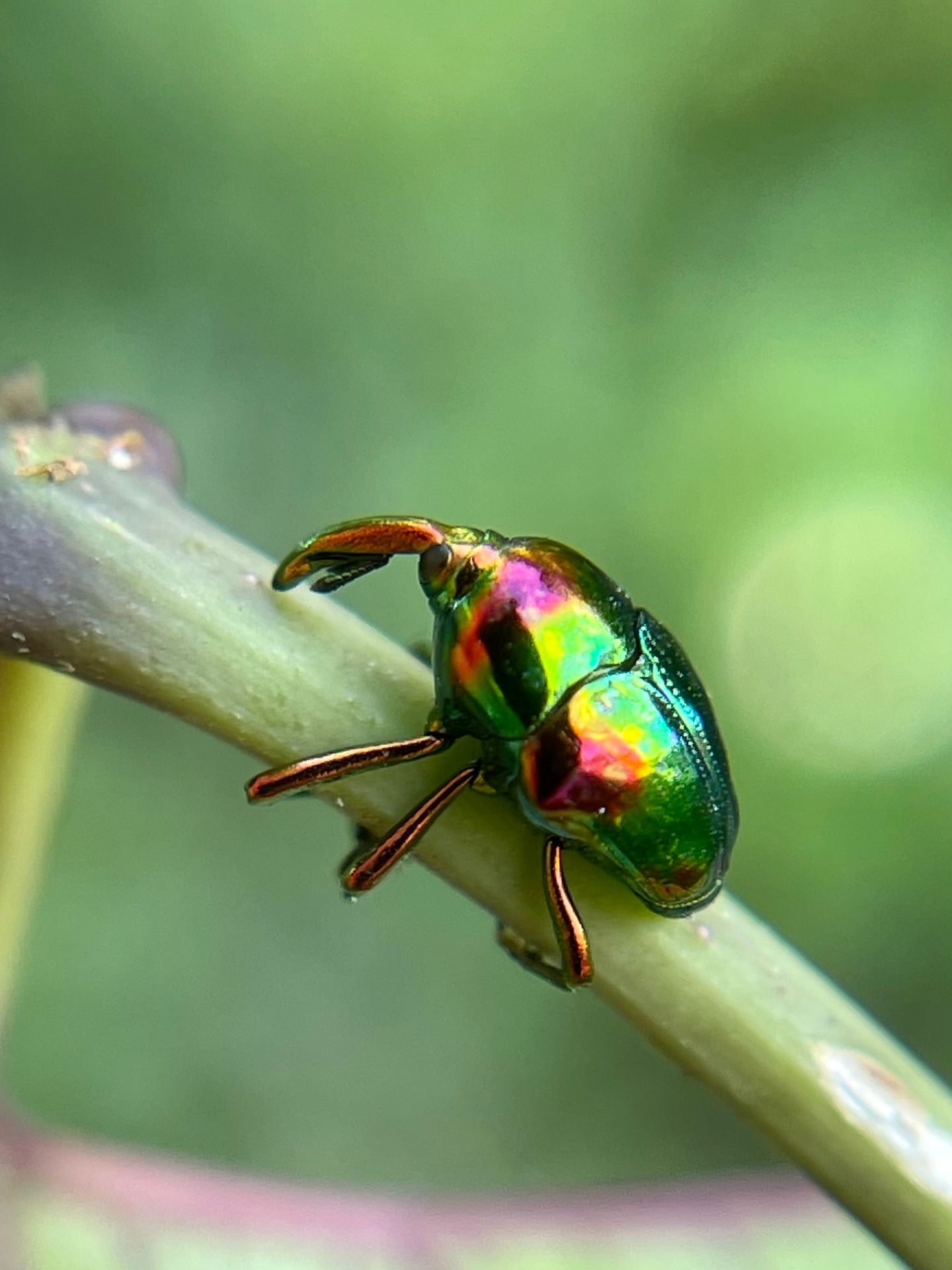
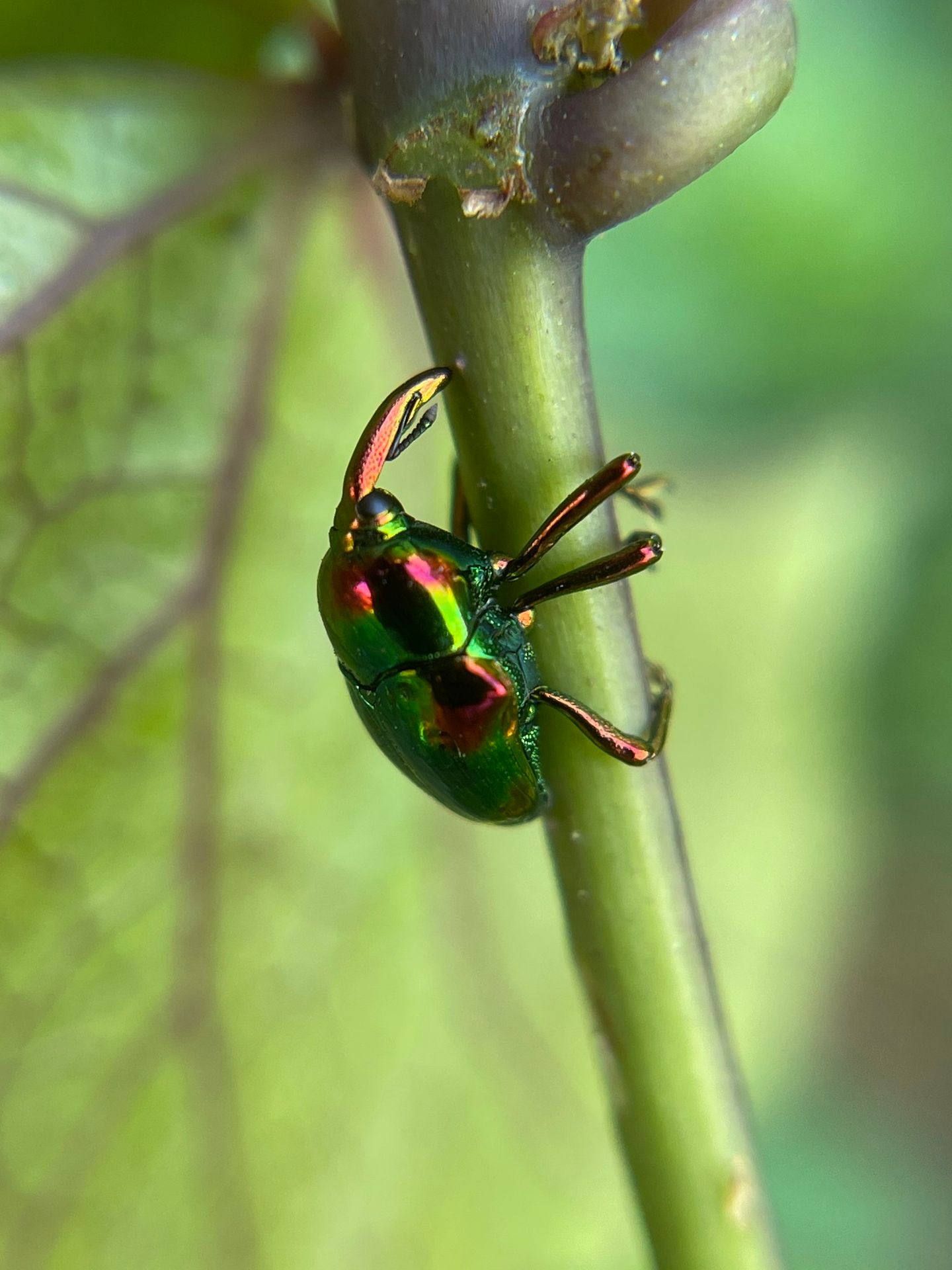
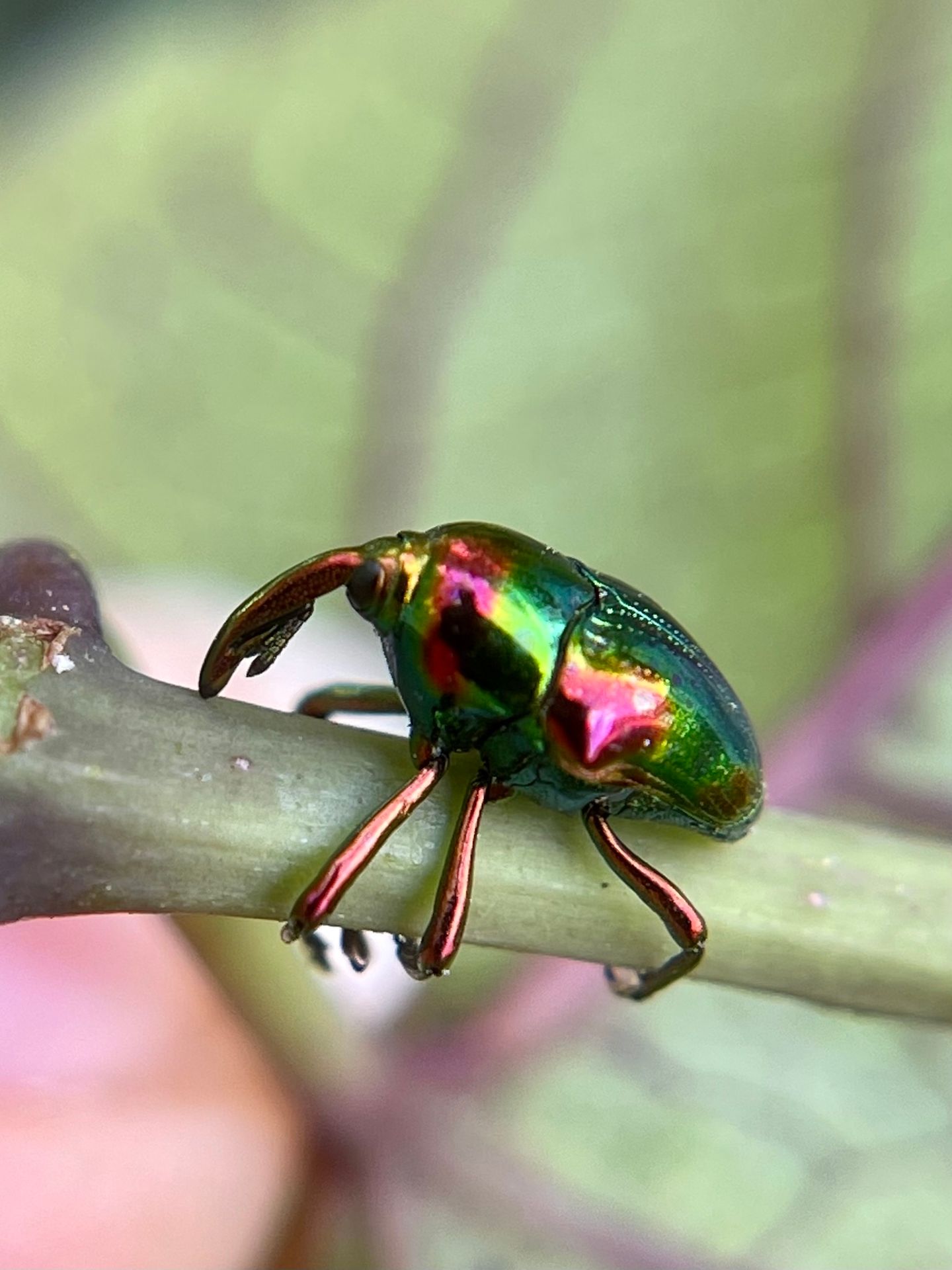
Eurhinus is a of Neotropical weevils (Curculionidae: Baridinae) containing approximately 23 , all characterized by brilliant metallic coloration in green, blue, purple, or red. The genus was established by Illiger in 1808 and has a complex taxonomic history involving nomenclatural disputes that were resolved by the International Commission on Zoological to preserve stability. One species, E. magnificus, has been introduced to southern Florida and is a potential pest of grape cultivars.
Pronunciation
How to pronounce Eurhinus: /juˈɹaɪnəs/
These audio files are automatically generated. While they are not always 100% accurate, they are a good starting point.
Identification
Members of this are distinguished among Baridinae by their exceptionally brilliant metallic coloration—green, blue, purple, or red—with smooth, often mirror-like . The genus name has been conserved by ICZN ruling due to historical nomenclatural conflicts with Eurhin (Illiger 1807) and Eurhynchus (Schönherr 1833).
Images
Habitat
Native occur in Neotropical terrestrial . Eurhinus magnificus in Florida has been found in ornamental nurseries, citrus groves, roadside ditches, fence lines, and manicured gardens.
Distribution
Exclusively Neotropical in native range, with recorded from southern Brazil, Bolivia, Paraguay, Argentina, Central America (Belize, Rica, Guatemala, Honduras, Mexico, Nicaragua, Panama), and the Caribbean. One species, E. magnificus, introduced to southern Florida (Broward and Miami-Dade counties), first recorded in 2002.
Host Associations
- Cissus verticillata - verified Only confirmed for E. magnificus in Florida; all life stages collected from this
- Solidago chilensis - flower visitationE. cf. adonis observed feeding on flowers in Chaco Province, Argentina
Life Cycle
For E. magnificus: laid singly within succulent young subterminal stem portions of plant; gall formation apparent by first to third instar, increasing in size until within gall; five larval instars determined by capsule measurements.
Behavior
of E. magnificus feed on plant stems; larvae induce gall formation on host stems. Adults have been observed attacking grape cultivars in greenhouse conditions, opening stems to fungal agents, though no larval development occurs on grapes.
Ecological Role
Larval gall induction on plant stems. and cause considerable field mortality. Potential pest status on grape cultivars due to feeding damage facilitating fungal .
Human Relevance
E. magnificus is a potential pest of ornamental nurseries and grape in southern Florida. The brilliant metallic coloration makes members of this popular subjects for macrophotography and entomological illustration.
Similar Taxa
- MegabarisRelated in Baridinae with similarly striking coloration; Megabaris quadriguttatus shows black, white, and red patterning rather than uniform metallic coloration of Eurhinus
More Details
Nomenclatural history
The was originally described as Eurhin by Illiger in 1807. Schönherr emended this to Eurhinus in 1824, but this name was preoccupied by Eurhinus Kirby 1819 (Apioninae). Schönherr later proposed Eurhynchus for Kirby's genus in 1833, but this was also preoccupied (birds). The ICZN ruled in 1983 to conserve Schönherr's long-accepted usage of Eurhinus and Eurhynchus to maintain nomenclatural stability and avoid identical tribal names (Zimmerman & Thompson 1983).
Sources and further reading
- BugGuide
- Wikipedia
- GBIF taxonomy match
- iNaturalist taxon
- Catalogue of Life
- Curculionidae | Beetles In The Bush | Page 2
- Cover Photo—The Coleopterists Bulletin 71(4) | Beetles In The Bush
- Cover Photo—The Coleopterists Bulletin 67(3) | Beetles In The Bush
- April | 2015 | Beetles In The Bush
- Weevil, Eurhinus magnificus Gyllenhal (Insecta: Coleoptera: Curculionidae)
- Life history and larval morphology of Eurhinus magnificus Gyllenhal (Coleoptera: Curculionidae), a new weevil to the United States