
Brentus
Fabricius, 1787
Species Guides
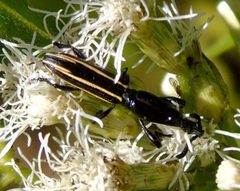
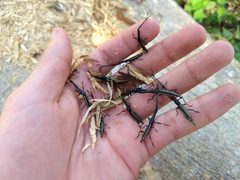
1Brentus is the type of primitive weevils in the Brentidae and tribe Brentini. are distributed in the Americas, with most diversity occurring in tropical regions. The genus exhibits extreme in rostrum and , with females possessing elongated, slender rostrums for wood-boring oviposition and males having short, robust mandibles used in territorial combat. These beetles develop as larvae in the wood of living or wounded trees.
Pronunciation
How to pronounce Brentus: //ˈbrɛn.tʊs//
These audio files are automatically generated. While they are not always 100% accurate, they are a good starting point.
Identification
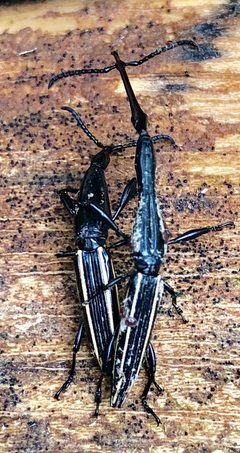
Brentus can be distinguished from other Brentidae by their elongated body form and extreme in rostrum structure. Females have a greatly elongated, slender rostrum with small terminal used for drilling into wood; males have a short rostrum with enlarged, robust mandibles. This dimorphism is more pronounced than in most other brentid . Body length ranges from approximately 13–35 mm among species, with considerable intraspecific size variation.
Images
Habitat
are associated with forested environments where they utilize living or wounded woody plants. Larval development occurs within wood, particularly in trees with exposed wounds or recently cut timber. are attracted to volatiles from wounded wood and cut stumps.
Distribution
Americas, with primary distribution in tropical regions. Records include Colombia; several extend into eastern North America with southern Florida representing the northern limit for Neotropical species.
Host Associations
- Quercus - larval developmentoak timberworm (Arrhenodes minutus, formerly in Brentus) develops in living oak wood exposed by wounding
Life Cycle
Larvae develop within wood of trees, creating tunnels and small exit holes. Females oviposit into wood by drilling holes with their elongated rostrum and . Development time varies with host quality and quantity.
Behavior
Males are territorial and guard females during oviposition. Combat between males for access to females has been observed to last 10 minutes or more. Males have been reported to assist females in extracting their rostrum if stuck in wood during drilling by pressing against the female's , using her forelegs as a fulcrum—potentially representing tool use.
Ecological Role
Larvae act as primary wood borers in living trees, contributing to wood decomposition and nutrient cycling. Their boring activity can occasionally degrade timber value by creating numerous small holes in wood grown for lumber.
Human Relevance
Some are minor timber pests due to larval boring damage in oak and other hardwoods. are frequently encountered by entomologists and foresters at cut stumps and wounded trees, making them notable among eastern North American wood-boring beetles.
Similar Taxa
- ArrhenodesFormerly included in Brentus; Arrhenodes minutus (oak timberworm) was historically classified under Brentus but is now placed in Arrhenodes. The two share extreme in rostrum and wood-boring habits, requiring careful examination of taxonomic revisions for accurate identification.
- EupsalisHistorical synonymy and similar ; Eupsalis minutus was an earlier name for the oak timberworm now placed in Arrhenodes, reflecting taxonomic confusion in this group of primitive weevils.
More Details
Taxonomic history
The oak timberworm, long known as an important eastern North American , has undergone repeated taxonomic revision. It was originally described as Brentus minutus, later moved to Eupsalis, and is currently placed in Arrhenodes as A. minutus. This history reflects ongoing refinement of generic boundaries within Brentini.
Sexual dimorphism function
Unlike most beetles where female are simply reduced versions of male mandibles, Brentus and related show fundamentally different mandible morphologies between sexes corresponding to different functions: male mandibles for combat, female mandibles and rostrum for wood-drilling oviposition.